
News
Photos: UNRWA Camp in Gaza Stirs Painful Memories of The Nakba

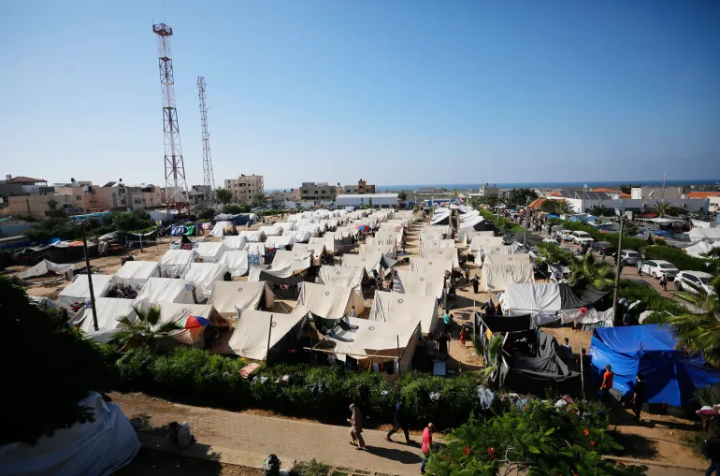
The tents, distributed by the United Nations refugee agency, have been set up on an area managed by UNRWA.
Palestinians struggling to survive as Israel bombs Gaza say tents provide them with little hope or safety.
An eerie image has emerged in recent days in a sandy industrial zone in the southern Gaza Strip.
Hundreds of tents have been set up in Khan Younis, aligned in neat rows, for the thousands of recently displaced Palestinians who have fled the indiscriminate Israeli bombardment over their homes in the northern Gaza Strip.
According to the United Nations, at least one million Palestinians in the besieged coastal territory – half of the total population – have been displaced over the past two weeks.
On Wednesday, the new camp was set up by the United Nations refugee agency, next to one of its schools.
“We are so tired,” Asmaa al-Ustaz, a 34-year-old mother, told Al Jazeera.
She had fled with 52 members of her extended family, some of whom were barefoot, from their home in the Sheikh Radwan neighbourhood, northwest of Gaza City.
“We slept the first two nights on the ground, with no shelter or anything,” she said. “Then UNRWA gave us the tents, which have the Red Cross sign stamped on them.”
Al-Ustaz said she feels as though she is reliving the 1948 experience all over again, when Zionist paramilitaries destroyed more than 500 villages and towns – paving the way for the establishment of Israel. Thousands were killed, and more than 750,000 Palestinians were forced to uproot in what is known as the Nakba, or catastrophe.
“The tent is a symbol of exile, destruction, oppression, the Nakba, genocide,” she said. “We don’t want organisations to pity us. We want our rights. We want protection. We want our children to enjoy the rights given to other children in the world.”
Inside one tent, a single white pole in the middle holds up the roof. The floor is covered by a tarp, and on top of that, just blankets for furniture.
Clotheslines have been set up between the tents, to hang clean laundry that is to be washed by hand in plastic tubs.
Doha Hamoudah, a 19-year-old engineering student, said her family fled with six others from Beit Lahiya.
“People weren’t being warned about the bombs and were killed inside their houses,” she said.
This new camp is not safe either, she said, pointing to the site of an Israeli air raid that targeted an adjacent area on Thursday.
“We have no electricity, no water, no internet, or any kind of connection,” she said. “We don’t even know our own news. The world knows more about what’s happening to us than what we know.”
Fida Yaser Zaqqout, from the northern Jabaliya refugee camp, said six members of her family were killed in the Israeli bombing.
“Our home was not safe, neither our relatives’, and even here in the area there is still Israeli bombing,” she said. “Do you hear that? Those drones and warplanes are always in the sky.”
The mother of three young children said she feels like history is repeating itself.
“It’s the same images as from the Nakba,” she said. “Refugees in tents back then, us in tents now. This is not a life. The world knows what is happening to us. Do they not have any mercy?”
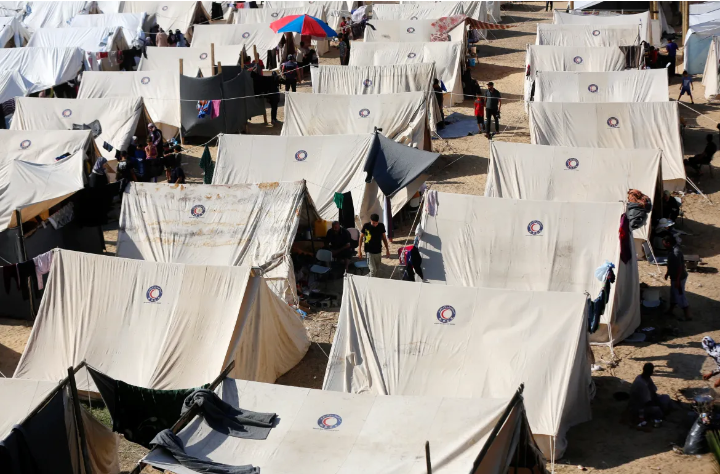 About 200 tents were set up earlier this week in Khan Younis for Palestinians who fled their homes under intense Israeli bombardment in the northern Gaza Strip and Gaza City.
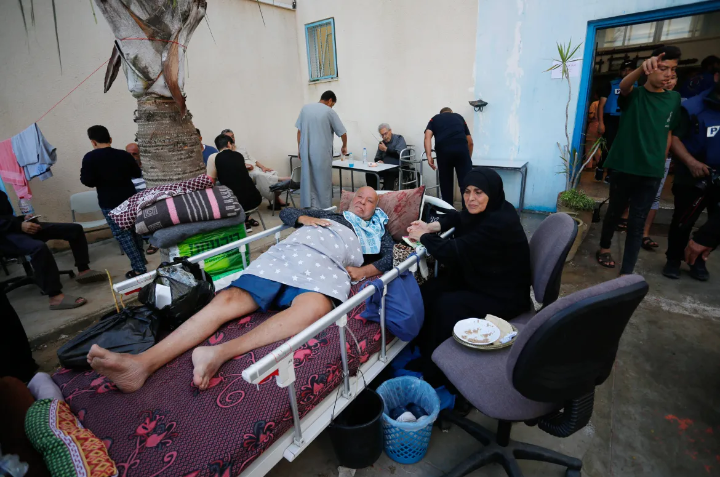 Some Palestinians who fled to the south include the sick and elderly, who are staying either in the UNRWA school or the displaced camp next to it.
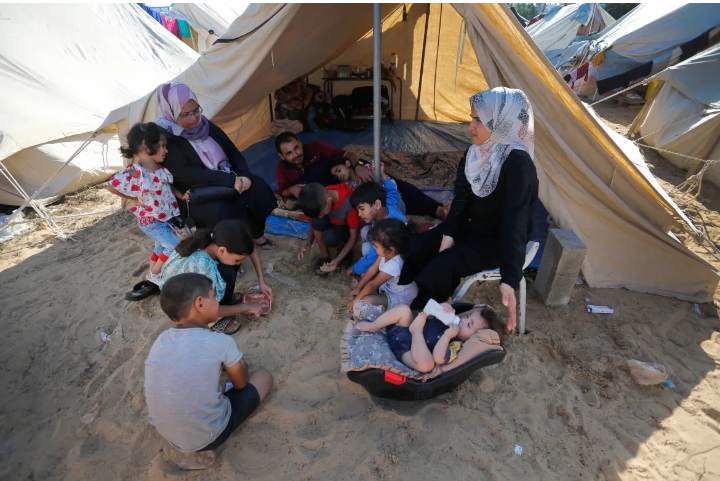 Asmaa al-Ustaz, left, sits with her family outside the newly erected tent in the Khan Younis industrial area in the southern Gaza Strip.
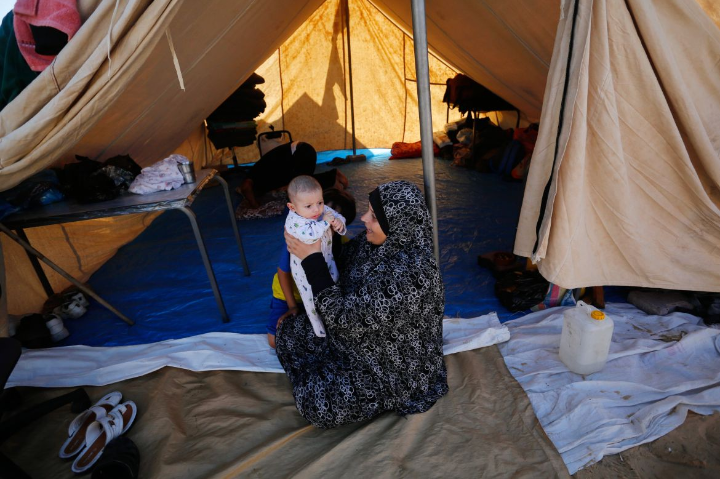 Many see tents as a symbol for their ethnic cleansing; 750,000 people were forced to live in refugee camps after being displaced from their homes in 1948.
 For Palestinians, nowhere is safe in the Gaza Strip. According to OCHA, at least 25 percent of residential buildings and homes have been destroyed in Israeli bombings during the past two weeks.
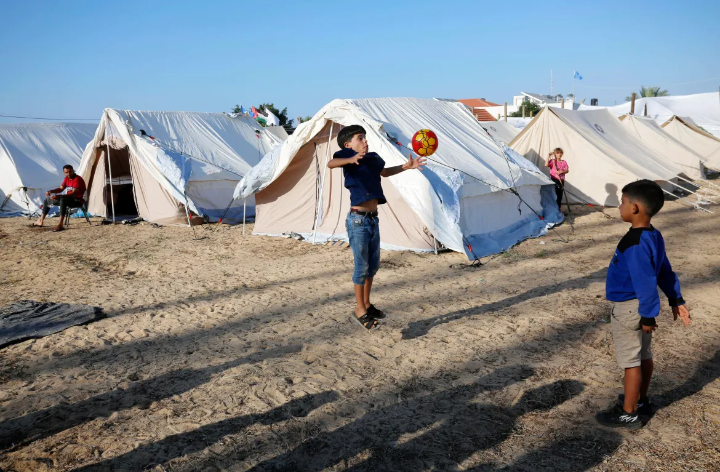 Children said the tents are too hot and spend most of the day playing outside.
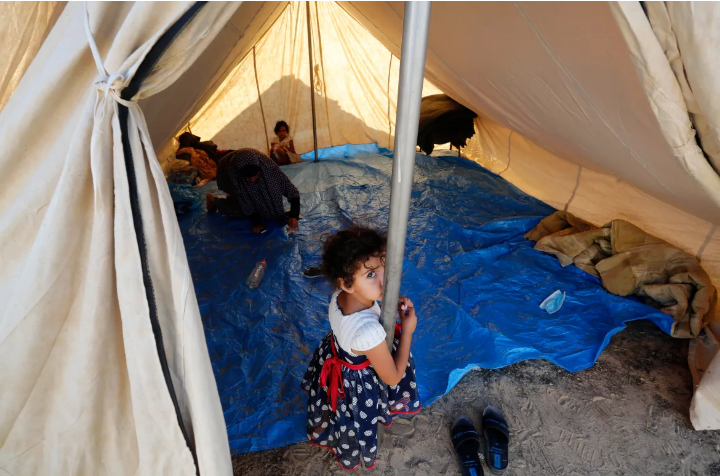 According to the United Nations, at least one million Palestinians in the besieged coastal territory – half of the total population – have been displaced from their homes since October 7.
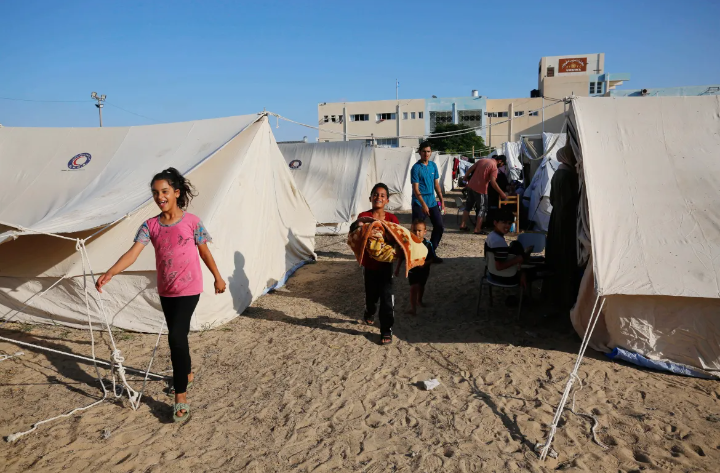 There is no electricity, water, or internet in the new camp in Khan Younis.
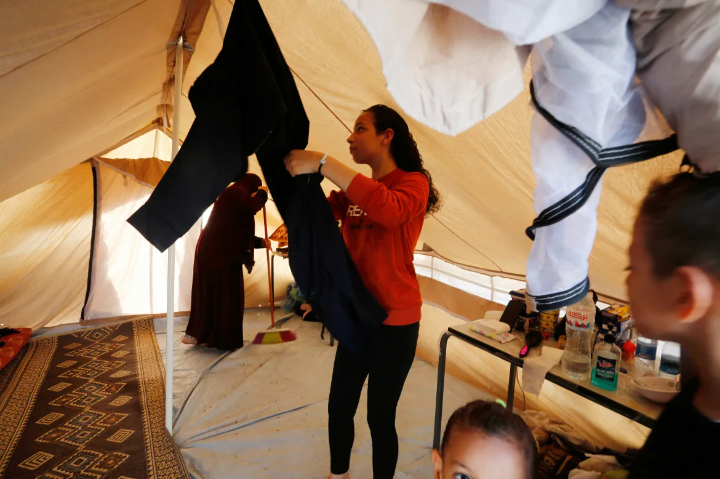 Doha Hamoudah’s family fled with six other families from their homes in Beit Lahiya, but fear nowhere is safe.
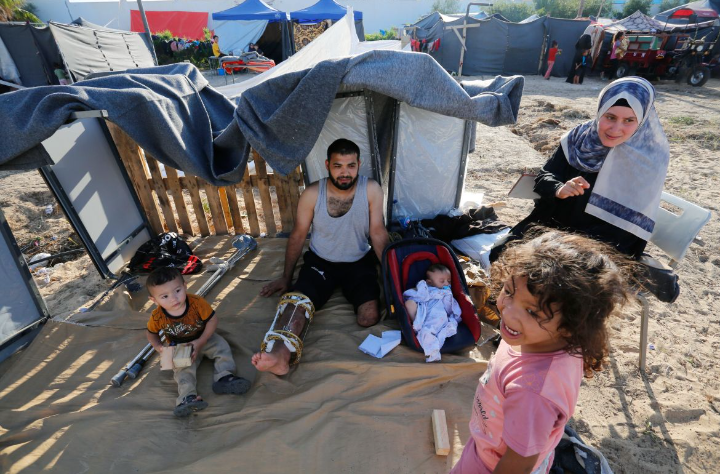 Israeli forces issued an order for the 1.1 million residents in the northern half of the Gaza Strip to “evacuate” their homes.
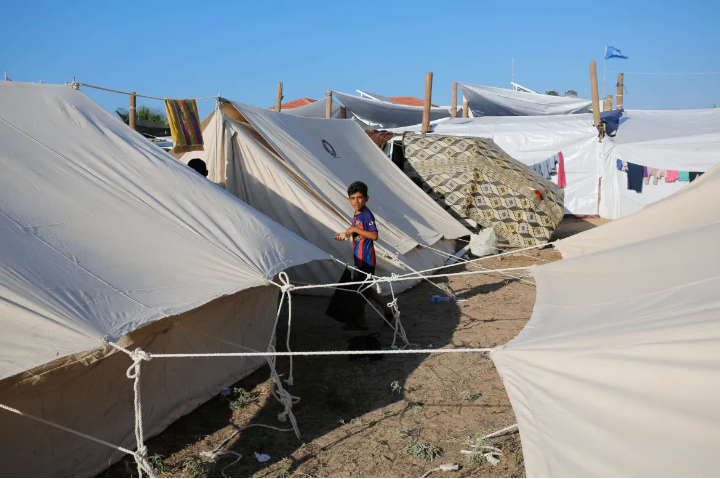 The sound of Israeli drones and warplanes swirls in the sky amid nonstop aerial bombardment, which targeted an area next to the camp on Thursday.




The renewed agreement reinforces the longstanding partnership between the artist and the label. It positions Chadreek for the next phase of his career with enhanced support across music production, distribution, marketing, and international expansion.
Known for his smooth vocal delivery and consistent output, Chadreek has steadily cultivated a dedicated following through standout records including Ori Mi (featuring Seyi Vibez), Better Dayz, Awure, and his earlier project No Bad Vibe. The renewed deal is expected to accelerate his momentum as he prepares new music and broadens his presence across Africa and global markets.
A source close to the camp confirmed that both parties are fully aligned on a clear vision for the artist’s next chapter, with a strong emphasis on high-quality releases and strategic growth.
This renewal marks another significant milestone in Chadreek’s journey as he continues to establish his place within the Afrobeats landscape.
About Chadreek
Chadreek is a Nigerian singer and songwriter signed to SauceBoi Music. He is recognised for his distinctive voice and a growing catalogue of Afrobeats records that blend melody, emotion, and street energy.
About SauceBoi Music
SauceBoi Music is a UK-based record label committed to developing and promoting talent across the Afrobeats and broader African music scenes.


Josh2Funny’s Album Has Fans Talking — But Should He Stick To Music Or Skits? 😂🎶

Nigerian comedian and content creator Josh2Funny has taken his comedy game into music, and Nigerians are definitely having something to say about it.
The comedian released his 15-track album, “On Behalf of Josh,” on July 10, 2026, but instead of fading away after release, the project has continued to generate conversations on X.
And the big question now is:
Should Josh2Funny continue with music or go back to skits? 😂
Fans have been divided. While some listeners openly criticized the album and told him to return to comedy, others found songs they genuinely enjoyed.

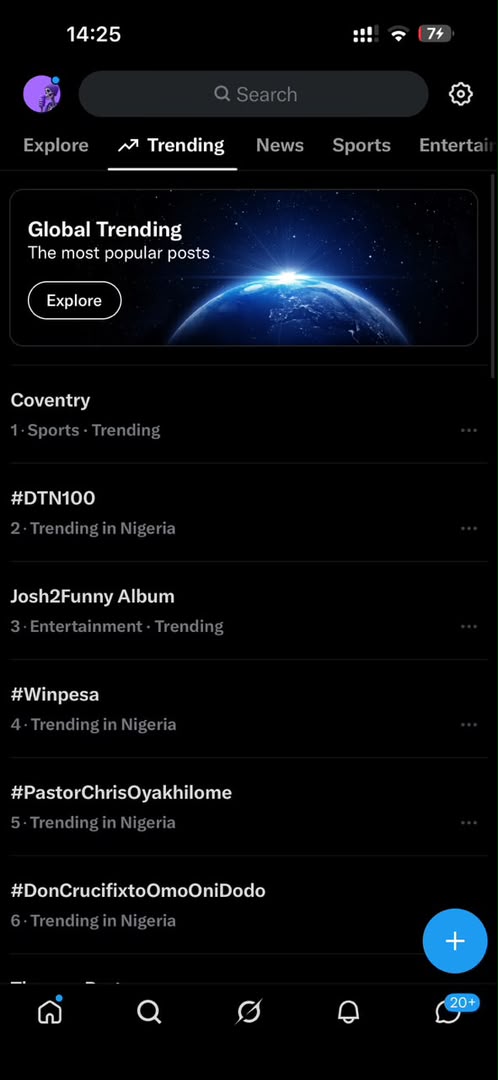
One X user joked:
“Josh2Funny stopped doing skits and started music, Everybody wan chop this music money 😂”
Another simply said:
“This Josh2Funny Album no enter make he just go back skit abeg 😂”
But then came “Lembe.” 🔥
The track caught fire on X and eventually became a trending topic in Nigeria. The #LembeChallenge also gained momentum as creators began jumping on the song.
Josh2Funny later announced ₦1 million for winners of the challenge, giving the song another major push.
And it didn’t stop there.
‘INTERNATIONAL’ FT. ICE PRINCE ALSO TRENDED
On another day, “International” featuring Ice Prince generated its own buzz on X.
One fan even called it their favourite song from the album, while praising the collaboration. The post itself pulled thousands of views, showing that people weren’t only talking about Lembe.
From album criticism to trending songs and challenges, “On Behalf of Josh” has kept Josh2Funny’s name in the conversation.
Whether you love the album or think he should return to skits, one thing is clear:
Josh2Funny has succeeded in getting Nigerians talking. 😂🔥

So, let’s settle this once and for all:
Should Josh2Funny continue with MUSIC 🎶 or return to SKITS 😂?
Music or Skits? Drop your answer! 👇
-
 Audio10 years ago
Page – Day Break Everywhere Burst
-
 Audio5 years ago
Shadykarz – Forever
-
 Audio10 years ago
Juniorboy ft. 9ice – IRAPADA
-
 Entertainment Gists6 years ago
Ex-Beauty Queen, Sandra Benede Shares Sexy Photo
-
 Audio5 years ago
Simi – Happy Birthday ft. Adekunle Gold, DeJa
-
 Audio5 years ago
Ruger – Bounce
-
 Mixtapes4 years ago
Mixtape: DJ DimpleNipple – The Best Of Amapiano Thrills
-
 Editorials3 years ago
Sa’eedah Imam On Creating Her Imprint In The Nigerian Music Industry As An Emerging Creative Writer