
Recent Posts
VIDEO: Real Madrid 2 – 1 Sporting Gijon [La Liga] Highlights 2016/17


The Portugal international scored twice in the opening 20 minutes to give the Spanish giants a hard-fought victory on Saturday, despite the visitors’ late pressure
Cristiano Ronaldo’s double gave Real Madrid a 2-1 victory over Sporting Gijon in La Liga on Saturday.
The Portugal superstar netted twice in the opening 20 minutes, only for Carlos Carmona to pull a goal back for the visitors.
Gijon could have earned a shock point late on, too, but Duje Cop smashed a penalty against the crossbar.






Recent Posts
BIANO BEATZ: The Nigerian Producer and Audio Engineer Making His Mark Behind Notable Afrobeats Records

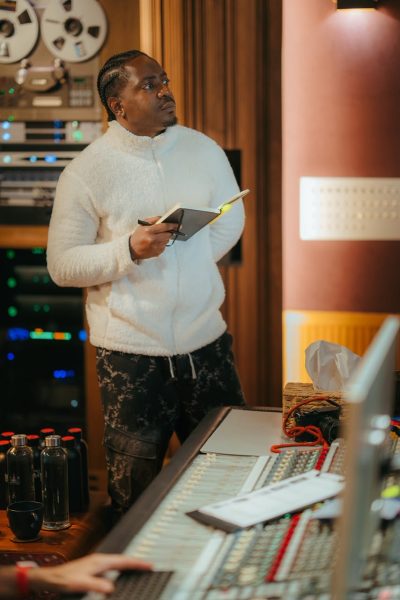
Behind every memorable record is a creative process that extends beyond the artist’s performance. From building musical arrangements to refining vocals and shaping the final sound, producers and audio engineers play an important role in determining how music connects with listeners. For Nigerian creative professional BIANO BEATZ, these responsibilities have become the foundation of an expanding career in contemporary African music.
Also known as MIX GOD, BIANO BEATZ is a Nigerian music producer, mixing engineer and mastering engineer whose professional portfolio spans Afrobeats and contemporary African sounds. With more than 200 completed projects to his credit, he has steadily developed a professional identity around musical creativity, technical precision and a commitment to delivering quality records.
His portfolio includes contributions to projects associated with some of Nigeria’s recognised music talents, including Rema, Ayra Starr, Tiwa Savage, Kizz Daniel, Boy Spyce, Magixx, 1da Banton, Ladipoe, Johnny Drille, Bayanni, Iyanya, Fido and Crayon.
Among his notable credits is Boy Spyce’s “Achalugo”, on which he handled production, mixing and mastering. The project demonstrates the range of his involvement in the recording process, extending from the creation of the musical foundation to the refinement of the final record.
His work also includes Magixx’s “Everyday” and “Ori Mi”, where his contributions span production, mixing and mastering. These records further reflect his ability to operate across different stages of music creation rather than limiting his expertise to a single discipline.
Beyond his production contributions, BIANO BEATZ has established an impressive portfolio of mixing and mastering credits. His involvement in 1da Banton’s “No Wahala”, featuring Tiwa Savage and Kizz Daniel, as well as its associated remixes, places him among the technical professionals contributing to the sound of commercially released Nigerian music.
Other notable credits include “Won Da Mo”, associated with Rema, Ayra Starr and other Mavin Records acts, and “Amina”, featuring Mavin Records artists Rema, Ayra Starr, Bayanni and Crayon.
His professional experience also extends to live music projects, including Rema’s “Calm Down” Deezer Live performance.
One of the more significant aspects of his professional development is his growing exposure to international music initiatives. BIANO BEATZ’s resume identifies his involvement in a global European Union campaign song featuring Yemi Alade, Chike, Qing Madi and Don Jazzy, reflecting an opportunity to contribute his engineering expertise to a project with an international outlook.
With his experience spanning different artists, musical styles and recording projects, BIANO BEATZ continues to build a professional portfolio that highlights the importance of technical creativity in the evolution of African music.
His professional development is further supported by a Mix With The Masters certification following training with renowned recording and mixing engineer Tchad Blake.
In an industry where the quality of a record is increasingly important to its commercial and artistic impact, professionals capable of understanding both the creative and technical sides of music production remain valuable.
For BIANO BEATZ, the journey is one of continuous development, creative collaboration and technical exploration. With more than 200 completed projects and an expanding catalogue of contributions, the Nigerian producer and audio engineer is steadily strengthening his position within the contemporary African music ecosystem.
As he continues to work across production, mixing and mastering, BIANO BEATZ represents a growing generation of African music professionals whose contributions help shape the records audiences experience every day.
Building Opportunities. Inspiring Impact. Creating a Legacy.
Introduction
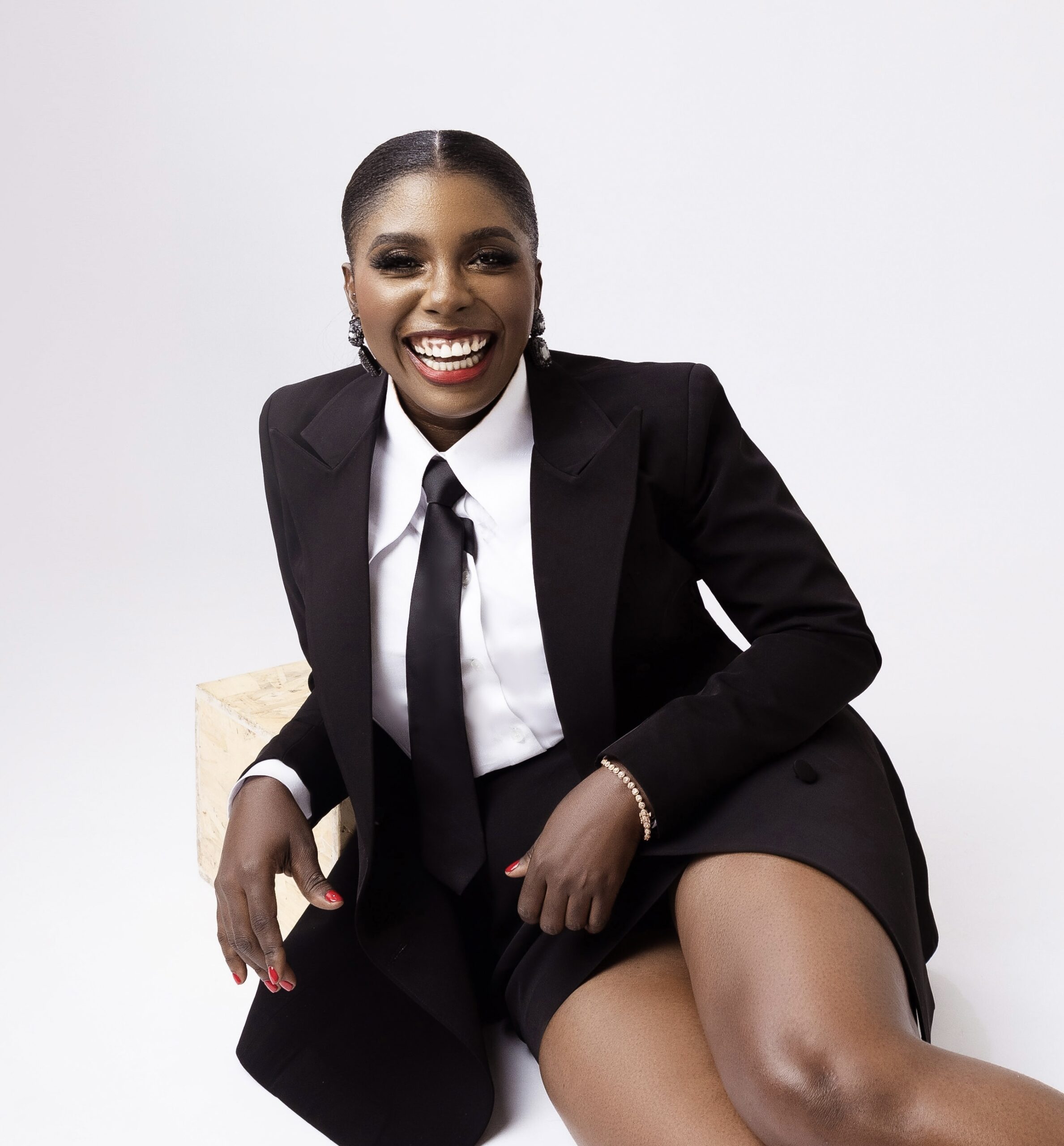
Jane Michael Ekanem is known for her work in fashion, styling, and creative direction. But beyond the creative industry, there is another part of her story: a growing commitment to girls’ education.
In 2016, Jane supported a student’s education at her alma mater. What began as an individual act of support became the starting point of a larger vision, one that would eventually take shape as the JaneMichael Ekanem Foundation.
In this conversation, we explore the woman behind that decision, the importance of girls’ education, and what it means to turn a personal conviction into work that can make a lasting difference.
Jane, thank you for sharing the story and vision behind the JaneMichael Foundation.
The work ahead is about turning a belief in girls’ education into meaningful, sustained opportunities. And as this conversation reminds us, making a difference doesn’t always begin with something grand. Sometimes, it begins with the decision to show up.
To learn more about the Foundation, visit thejanemichael.com/foundation.
1. You’ve built a career in an industry that demands creativity, resilience, and constant reinvention. As you look back at your journey so far, what experiences have shaped the person you are today, beyond your professional achievements?
My journey has taught me that success is not just about what you build; it is also about who you become in the process. I have experienced seasons that required resilience, self-reflection, and the courage to begin again.
Growing up, I also understood how financial circumstances could affect access to opportunities. That experience has stayed with me.
Today, I think beyond personal achievement. I ask myself what I can do with what I have learned and how my experiences can become useful to someone else. For me, that is an important part of growth.
2. People often see the finished work — the brand, the projects, the public moments. What is something about your personal journey that you think people might not immediately understand, but that has influenced the way you see responsibility and giving back?
People do not always see the circumstances behind a person’s journey. I understand that having potential does not always mean having the resources or support to fulfil it.
That understanding has influenced how I see giving back. I do not believe support should make anyone feel inferior or indebted. It should help people move forward with their dignity intact.
Sometimes, what someone needs is not for another person to solve every problem, but for someone to help remove a barrier standing between them and an opportunity.
I am also a firm believer of winning as a community irrespective of the tribe, race or religion.
3. In 2016, you made the decision to support a student’s education at your alma mater. What did that support actually make possible, beyond the immediate financial help? And what did the experience teach you about the difference one opportunity can make?
In 2016, I returned to Girls Senior Academy, my alma mater, to support one deserving student. The initiative was guided by good character, academic commitment, and financial need.
Years later, the beneficiary went on to purchase JAMB forms for other students. That stayed with me because it showed how an opportunity can travel beyond the person who first receives it.
The church helped me, then I helped one student, and then she went on to help others. It reminded me that we may never fully know the impact of our actions. Sometimes, the most meaningful part of giving is what happens long after we have moved on.
4. Was there a particular moment when you realised that this was something you wanted to pursue beyond that first act of support? Or did the idea of building something larger develop gradually?
The vision developed gradually. In 2016, I was responding to an immediate need, without clarity on understanding how to establish a foundation.
But the experience stayed with me, particularly when I saw how the beneficiary extended the opportunity to others. I began thinking about what it would mean to make this kind of support more sustainable.
Life brought its own challenges, and I could not continue the initiative as consistently as I wanted. Eventually, I realised that if the vision was going to endure, it needed more than good intentions. It needed structure. That understanding helped lead to the establishment of the JaneMichael Ekanem Foundation.
5. Looking back at the woman you were when you made that first decision, if you could design an outfit for her today, what would she be wearing — and what would you want that version of yourself to know?
I would give her something beautifully tailored, timeless, and quietly confident, a little more modest and audacious with one unexpected detail. Something that says you can be intentional without having everything figured out.
I would tell her not to underestimate a small beginning simply because she cannot yet see where it will lead.
I would also remind her that building something meaningful takes time. The vision may come first, but the capacity to sustain it must be developed along the way.
Most importantly, I would tell her to keep going, keep learning, and trust that not every meaningful beginning will reveal its full purpose immediately.
6. Why is girls’ education a cause you have chosen to stand behind? What do you believe becomes possible when a girl has the opportunity to learn, develop her abilities, and make choices about her future?
Education expands choices. It gives a girl the opportunity to develop her abilities, discover her potential, and make informed decisions about her future.
My interest is also personal. I understand how financial circumstances can interfere with a young person’s education, regardless of their ability or determination.
Through the Foundation, our current focus is supporting deserving girls as they transition from secondary school into higher education. Our broader mission includes young girls and boys from financially challenged backgrounds.
I believe every young person deserves the opportunity to pursue their potential, and financial difficulty should not automatically determine how far that person can go.
7. Education is often discussed in terms of school fees and access to classrooms. Beyond getting a girl into school, what do you think she needs to have a genuine chance to learn, grow, and continue her education?
Every girl needs support that considers the realities of her educational journey. Beyond school fees, there may be examination expenses, registration fees, admission costs, learning materials, and other requirements that can become barriers. But most importantly, every girl and boy needs exposure and solid foundation in education is a drive way to that path.
The transition from secondary school to higher education is particularly important. A student may complete one stage successfully but struggle to move forward because of the cost of taking the next step.
She also deserves dignity, encouragement, and access to useful guidance. At the Foundation, we consider good character, academic commitment, and genuine financial need. As we grow, I want us to keep asking not only how we can help a student gain access, but how we can help create opportunities for her to continue.
8. Your late father used to say, “A good name is better than silver or gold.” Now that you’re building something intended to serve others, do you find yourself understanding those words differently? What does living up to them look like for you today?
There is a part of my story where I completely lost it all… the fame, the money, my house and business but what journeyed me back to building again were the good relationships I had built while climbing at the time. So yes, I understand those words differently now because I now see a good name as something that must also be demonstrated through action.
Building the Foundation means taking responsibility for more than my personal intentions. It means being honest about what we can do, managing resources responsibly, and ensuring that our decisions remain connected to our purpose.
It also means respecting the dignity of the students we support. I do not want the Foundation’s name to represent generosity alone; I want it to represent integrity and trust.
For me, my father’s words are a reminder that legacy is not just about what you leave behind, but the values your work continues to demonstrate.
9. Turning a personal act of giving into a foundation comes with a different level of responsibility. What has that transition made you think about in terms of consistency, accountability, and the kind of impact you want the Foundation to have?
It has taught me that good intentions are only the beginning. If you want an initiative to continue, you need structure, consistency, and responsible management.
The Foundation must be clear about its priorities, the resources available, and what it can realistically deliver. I also believe growth should be measured by more than the number of students supported. We must consider the quality of the support and our ability to sustain it.
I want to build an organisation that can continue creating educational opportunities beyond individual acts of generosity. That requires patience, planning, and the willingness to learn as we grow.
10. In a highly visible industry like yours, people can sometimes question whether an act of giving is genuine or performative. Have you ever had to think about that perception, and how do you make sure the work speaks for itself?
I think the most important thing is to stay true to the reason you started. When you are in a visible industry, people will always have their interpretations, and I have come to understand that you cannot build your life around trying to manage everyone’s perception of you.
For me, giving back is personal. It comes from my own experiences and an understanding of what access to an opportunity can mean to someone. I don’t believe every act of kindness needs an audience to be meaningful.
With the Foundation, my focus is on building something that can stand on its own values: integrity, accountability, and a genuine commitment to education. I want the work to speak through the opportunities we create, the way we treat the people we serve, and our consistency over time.
Ultimately, I believe intention may start the work, but integrity and consistency are what give it credibility.
11. For people who want to support the Foundation, what should they understand about its focus and the kind of contribution that would be most meaningful? How can someone help without assuming that impact always has to be financial?
The Foundation supports young girls and boys from financially challenged backgrounds, with a current focus on helping deserving girls transition from secondary school into higher education.
Financial contributions can help us provide educational assistance, but support can also come through relevant expertise, educational resources, professional guidance, and partnerships with organisations that share our mission.
I believe meaningful collaboration begins with understanding the need and being clear about what each party can contribute. We are building the Foundation thoughtfully, with the intention of developing its capacity over time.
This also an open call to anyone who believes in educational opportunity to learn about our work and explore how they might contribute meaningfully.
12. When you imagine the Foundation several years from now, what would make you feel that it is doing meaningful work? What would you want to be able to point to beyond the existence of the organisation itself?
I would want to see a Foundation that has grown in its ability to support students consistently and responsibly.
Beyond the number of beneficiaries, I would look at whether we are helping students navigate important educational transitions, building trusted relationships with schools, managing resources responsibly, and developing the capacity to sustain our work.
I also want us to think beyond individual scholarships. How can educational support become more consistent? What initiatives could help students and their wider school communities over time?
For me, success is not simply establishing an organisation. It is building one that can remain faithful to its purpose and continue creating opportunities as it grows.
13. Sometimes, people wait until they have more money, more influence, or more time before they help someone else. What would you say to someone who has the ability to make a difference today but keeps waiting for the “perfect” time?
I would say, start with what you can responsibly do today.
We sometimes imagine that making a difference requires significant money or influence, but contribution can take many forms. It could be sharing knowledge, making an introduction, providing a resource, teaching a skill or helping someone access an opportunity.
Of course, we must be realistic about our own responsibilities. But we should not assume that meaningful action must wait until we have everything we want.
My own journey with the Foundation began with one student, long before it became an established organisation. The vision grew over time.
You do not need to see the entire journey before taking the first step. Sometimes, you discover what is possible by beginning.
14. Your work in fashion involves imagining what something could become before others can see it. Do you approach the Foundation in a similar way — by holding on to a vision of what is possible, even when the steps to get there are still taking shape?
Yes. In creative work, you learn to imagine what something could become before it exists. But you also learn that a vision requires planning, execution, and the capacity to bring it to life.
I approach the JME Foundation with that understanding. I believe in what it can become, but I also recognise that good intentions must be supported by structure, resources, and meaningful partnerships.
I want to build something that can grow without losing sight of why it exists. For me, the challenge is not simply to imagine a future for the Foundation, but to develop the capacity to make that future sustainable.
Vision gives you direction. The work is in building what is required to get there.
15. If someone encounters the JaneMichael Ekanem Foundation for the first time through this conversation, what is the one thing you hope they understand about why it exists — and what would you like them to do with that understanding?
I want people to understand that the Foundation began with one person’s educational need, but its vision extends beyond one student or one moment.
We exist to create educational opportunities for young people who need support, and to build an initiative that can continue doing so responsibly over time.
The experience that began in 2016 reminded me that opportunity can travel. We are a system that believes in the power of positive ripple effects. We also believe in the power of community. We have to come together and create a lasting solution.
For those who believe in this vision, I invite you to read about the Foundation and explore how you can support through relevant expertise, resources, or partnerships.
The vision started with one person, but I do not want the story to end with me.
The JaneMichael Ekanem Foundation is committed to creating educational opportunities, inspiring impact, and building a lasting legacy.
Because sometimes, one opportunity is where a much bigger story begins.
Visit thejanemichael.com/foundation to learn more.
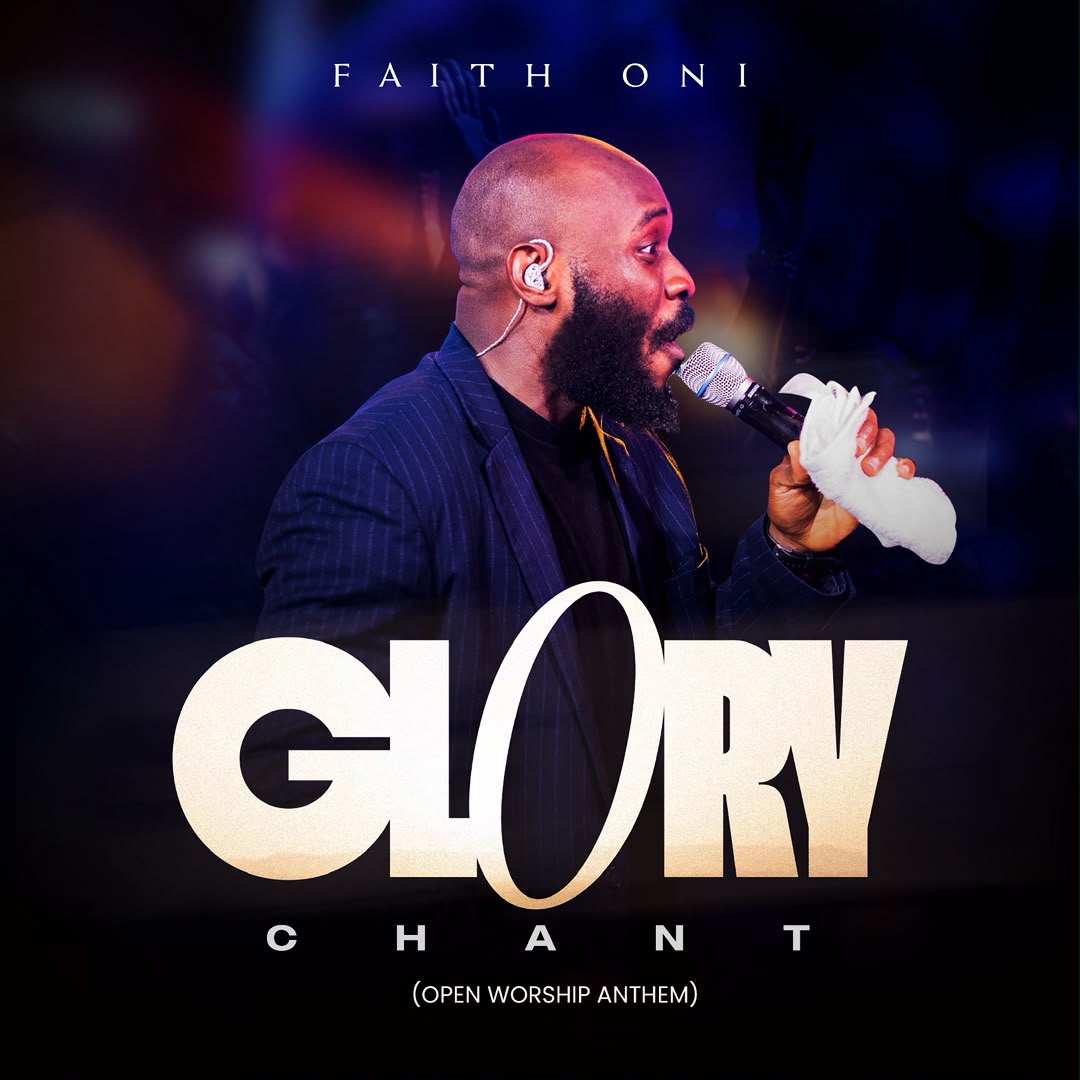
Nigerian Gospel music minister and songwriter Min. Faith Oni has released a new single titled “Glory Chant (Open Worship Anthem),” an energetic praise anthem inspired by his personal walk with God and his vision to see people express their worship without reservation.”
Released on October 31, 2026, “Glory Chant (Open Worship Anthem)” brings together vibrant Gospel sounds, beautiful instrumentation, and an infectious chant-led chorus that invites listeners into an atmosphere of joyful and wholehearted praise.
Built around the memorable refrain, “Ayaya Eh,” the song carries a powerful message: nobody can praise God better than you can, because nobody else can offer Him the unique expression of praise that belongs to you.
For Min. Faith Oni, “Glory Chant” is more than a musical release. It is a personal expression of a conviction that every believer has a unique response to God’s greatness, and that praise should never be limited by inhibition, circumstance, or the expectations of others.
The subtitle “Open Worship Anthem” reflects a larger vision that is central to Faith’s musical journey.
Through “Open Worship”, Min. Faith Oni envisions a global worship movement that draws people into genuine encounters with God, inspires deeper devotion, and raises a generation of worshippers and Gospel music ministers who understand the spiritual purpose of their gifts.
The vision extends beyond music releases to include collective worship gatherings, mentoring and raising young Gospel music ministers, and creating platforms where people can freely express their love for God.
In this regard, “Glory Chant” serves as an expression of that vision — a sound calling people to rediscover the beauty of personal praise and the privilege of responding to God for themselves.
Min. Faith Oni is a Nigerian Gospel music minister and songwriter passionate about using music as an instrument to draw people closer to God.
With a foundation in church choir ministry spanning over four years, his journey has been shaped by spiritual growth, personal encounters with God, and a deepening understanding of the place of music in worship.
His musical vision is rooted in the conviction that music is a gift from God, intended to communicate His greatness and inspire genuine devotion. Through his songs and the vision of Open Worship, he hopes to become a voice that inspires people to know God more intimately and live for His glory.
Listen below;
-
 Audio10 years ago
Page – Day Break Everywhere Burst
-
 Audio5 years ago
Shadykarz – Forever
-
 Audio10 years ago
Juniorboy ft. 9ice – IRAPADA
-
 Entertainment Gists6 years ago
Ex-Beauty Queen, Sandra Benede Shares Sexy Photo
-
 Audio5 years ago
Simi – Happy Birthday ft. Adekunle Gold, DeJa
-
 Audio5 years ago
Ruger – Bounce
-
 Mixtapes4 years ago
Mixtape: DJ DimpleNipple – The Best Of Amapiano Thrills
-
 Editorials4 years ago
Sa’eedah Imam On Creating Her Imprint In The Nigerian Music Industry As An Emerging Creative Writer