

He outlived nearly everyone who knew him and might explain him.
And so we have been left with a two-dimensional portrait of the duke; salt-tongued and short-tempered, a man who told off-colour jokes and made politically incorrect remarks, an eccentric great-uncle who’d been around forever and towards whom most people felt affection – but who rather too often embarrassed himself and others in company.
With his death will come reassessment. Because Prince Philip was an extraordinary man who lived an extraordinary life; a life intimately connected with the sweeping changes of our turbulent 20th Century, a life of fascinating contrast and contradiction, of service and some degree of solitude. A complex, clever, eternally restless man.
His mother and father met at the funeral of Queen Victoria in 1901. At a time when all but four of Europe’s nations were monarchies, his relatives were scattered through European royalty. Some royal houses were swept away by World War One; but the world into which Philip was born was still one where monarchies were the norm. His grandfather was the King of Greece; his great-aunt Ella was murdered along with the Russian tsar, by the Bolsheviks, at Ekaterinberg; his mother was a great-granddaughter of Queen Victoria.
His four older sisters would all marry Germans. While Philip fought for Britain in the Royal Navy, three of his sisters actively supported the Nazi cause; none would be invited to his wedding.
When peace came, and with it eventual economic recovery, Philip would throw himself into the construction of a better Britain, urging the country to adopt scientific methods, embracing the ideas of industrial design, planning, education and training. A decade before Harold Wilson talked of the “white heat of the technological revolution”, Philip was urging modernity on the nation in speeches and interviews. And as the country and the world became richer and consumed ever more, Philip warned of the impact on the environment, well before it was even vaguely fashionable.
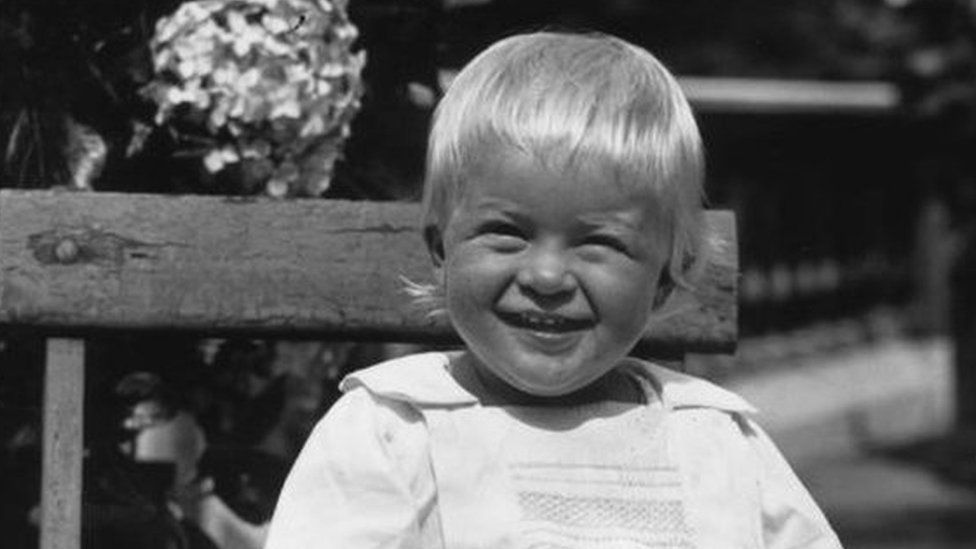
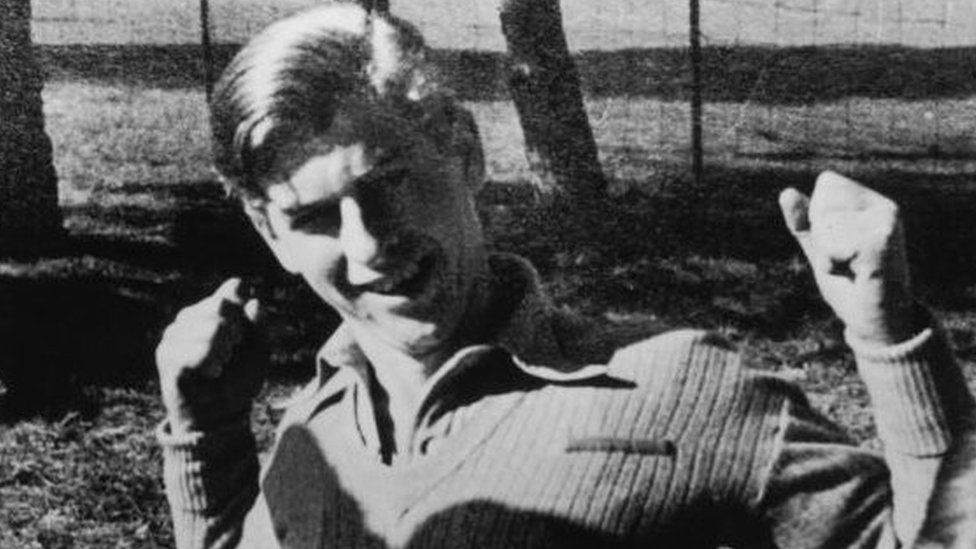
He was forged by the turmoil of his first decade and then moulded by his schooling. His early years were spent wandering, as his place of birth ejected him, his family disintegrated and he moved from country to country, none of them ever his own. When he was just a year old, he and his family were scooped up by a British destroyer from his home on the Greek island of Corfu after his father had been condemned to death. They were deposited in Italy. One of Philip’s first international journeys was spent crawling around on the floor of the train from an Italian port city, “the grubby child on the desolate train pulling out of the Brindisi night,” as his sister Sophia later described it.
In Paris, he lived in a house borrowed from a relative; but it was not destined to become a home. In just one year, while he was at boarding school in Britain, the mental health of his mother, Princess Alice, deteriorated and she went into an asylum; his father, Prince Andrew, went off to Monte Carlo to live with his mistress; and his four sisters married and went to live in Germany. In the space of 10 years he had gone from a prince of Greece to a wandering, homeless, and virtually penniless boy with no-one to care for him.
“I don’t think anybody thinks I had a father,” he once said. Andrew would die during the war. Philip went to Monte Carlo to pick up his father’s possessions after the Germans had been driven from France; there was almost nothing left, just a couple of clothes brushes and some cuff-links.
By the time he went to Gordonstoun, a private school on the north coast of Scotland, Philip was tough, independent and able to fend for himself; he’d had to be. Gordonstoun would channel those traits into the school’s distinct philosophy of community service, teamwork, responsibility and respect for the individual. And it sparked one of the great passions of Philip’s life – his love of the sea.
Philip adored the school as much as his son Charles would despise it. Not just because the stress it put on physical as well as mental excellence – he was a great sportsman. But because of its ethos, laid down by its founder Kurt Hahn, an exile from Nazi Germany.
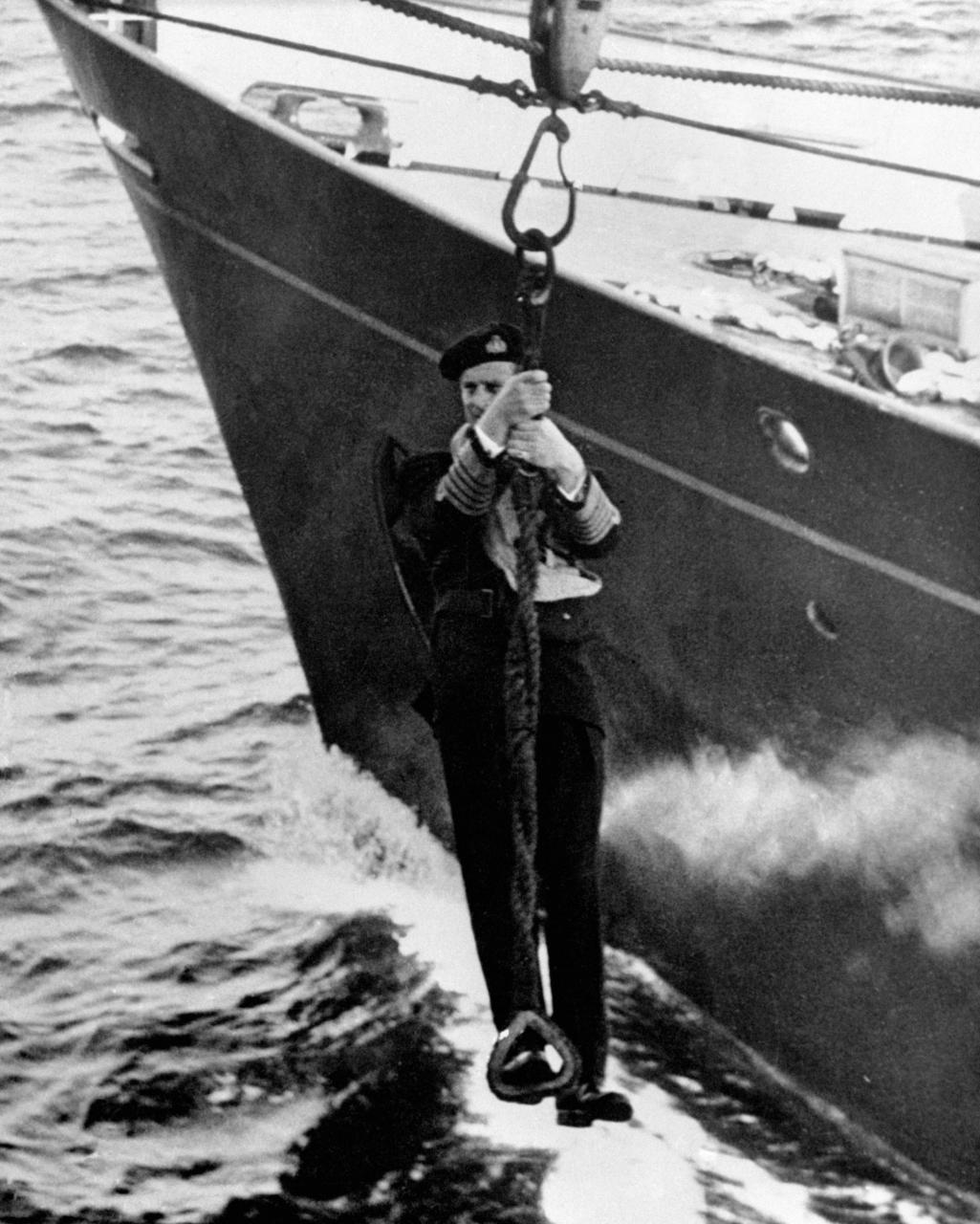



That ethos became a significant, perhaps the significant, part of the way that Philip believed life should be lived. It shines through the speeches he gave later in his life. “The essence of freedom,” he would say in Ghana in 1958, “is discipline and self-control.” The comforts of the post-war era, he told the British Schools Exploring Society a year earlier, may be important “but it is much more important that the human spirit should not be stifled by easy living”. And two years before that, he spoke to the boys of Ipswich School of the moral as well as material imperatives of life, with the “importance of the individual” as the “guiding principle of our society”.
And at Gordonstoun was born one of the great contradictions of Philip’s fascinating life. The importance of the individual was what in Kurt Hahn’s eyes differentiated Britain and liberal democracies from the kind of totalitarian dictatorship that he had fled. Philip put that centrality of the individual, and individual agency – the ability we have as humans to make our own moral and ethical decisions – at the heart of his philosophy.
And yet he was throughout his life, first in the navy and then in the many decades of life in the Palace, tightly bound by rules of tradition, of precedent, of command and hierarchy. He had little, if anything, in the way of agency. Did he say one thing and do another, as members of the Royal Family are often accused of? Or was his first choice – to serve – by necessity his last?


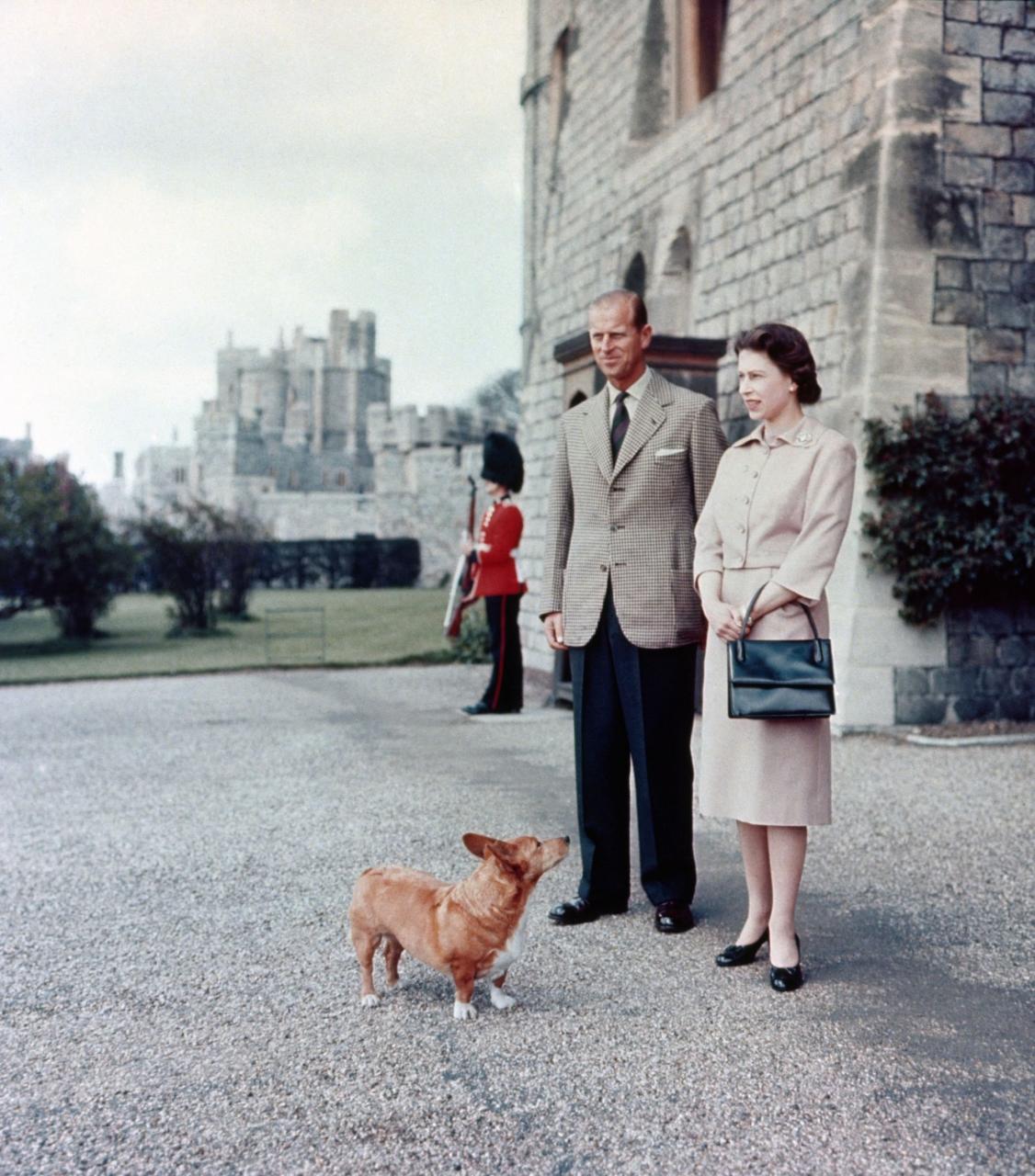
At Dartmouth Naval College in 1939, the two great passions of his life would collide. He had learned to sail at Gordonstoun; he would learn to lead at Dartmouth. And his driving desire to achieve, and to win, would shine through. Despite entering the college far later than most other cadets, he would graduate top of his class in 1940. In further training at Portsmouth, he gained the top grade in four out of five sections of the exam. He became one of the youngest first lieutenants in the Royal Navy.
The navy ran deep in his family. His maternal grandfather had been the First Sea Lord, the commander of the Royal Navy; his uncle, “Dickie” Mountbatten, had command of a destroyer while Philip was in training. In war, he showed not only bravery but guile. It was his natural milieu. “Prince Philip”, wrote Gordonstoun headmaster Kurt Hahn admiringly, “will make his mark in any profession where he will have to prove himself in a trial of strength”.
Others had their reservations about the brilliant and ambitious young officer. In peace, once he had his own command, he drove his men hard, much too hard for some. “If he had a fault, it was a tendency to intolerance,” wrote one biographer. That kind of comment would recur. Contemporaries were more blunt. “One of his crew,” writes another biographer, “said he would rather die than serve under him again.”
In Dartmouth in 1939, as war became ever more certain, the navy was his destiny. He had fallen in love with the sea itself. “It is an extraordinary master or mistress,” he would say later, “it has such extraordinary moods.” But a rival to the sea would come.
When King George VI toured the Naval College, accompanied by Philip’s uncle, he brought with him his daughter, Princess Elizabeth. Philip was asked to look after her. He showed off to her, vaulting the nets of the tennis court in the grounds of the college. He was confident, outgoing, strikingly handsome, of royal blood if without a throne. She was beautiful, a little sheltered, a little serious, and very smitten by Philip.


Did he know then that this was a collision of two great passions? That he could not have the sea and the beautiful young woman? For a time after their wedding in 1948, he did have both. As young newlyweds in Malta, he had what he so prized – command of a ship – and they had two idyllic years together. But the illness and then early death of King George VI brought it all to an end.
He knew what it meant, the moment he was told. Up in a lodge in Kenya, touring Africa, with Princess Elizabeth in place of the King, Philip was told first of the monarch’s death. He looked, said his equerry Mike Parker, “as if a tonne of bricks had fallen on him”. For some time he sat, slumped in a chair, a newspaper covering his head and chest. His princess had become the Queen. His world had changed irrevocably.
For someone who almost never displayed anything close to self-pity, and rarely spoke of his own emotions, he was by his own standards candid about the loss of his naval calling. “There’s never been ‘if only’,” he said once, “except perhaps that I regret not having been able to continue a career in the navy”. Those who knew the man and his passions are blunter. The former First Sea Lord, Admiral Lord West, says Philip did his duty; but of the end of his time in the navy he says, “I know it was a huge loss to him. I know it.”
That moment, when princess became Queen, revealed another great contradiction of Philip’s life. He was born and brought up in a world almost entirely run by men. He was a rugged, physical man who was brought up and then worked in an entirely male environment. He celebrated masculinity, telling Mike Parker on the birth of his first son Charles, “It takes a man to have a boy.” But literally overnight, and for 65 years to follow, it became his life to support his wife, the Queen.
He would walk behind her. He would give up his job for her. He would apologise if he came into a room after her. At her coronation he knelt before her, his hands enclosed by hers, and swore to be her “liege man of life and limb”. His children would not bear his name, Mountbatten. “I’m nothing but a bloody amoeba,” he exclaimed at that. But there was nothing to be done. She was the Queen. He was her husband.
Prince Philip talked of the upending of circumstance little. “Within the house,” he said of the time before the Queen’s accession, “I suppose I naturally filled the principal position. People used to come and ask me what to do. In 1952 the whole thing changed very, very considerably.”
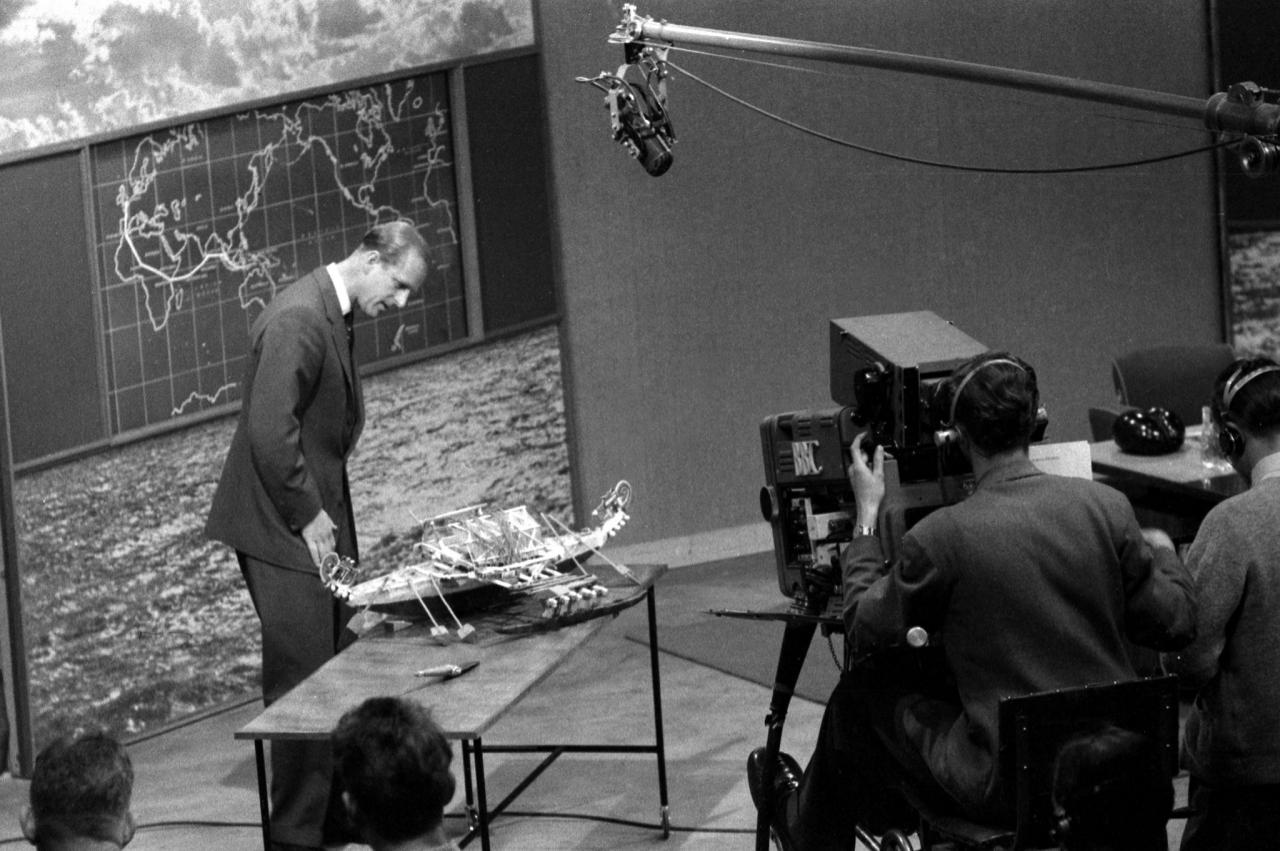


The transition to life in the Palace was brutal. “Philip,” said his equerry, “was constantly being squashed, snubbed, ticked off, rapped over the knuckles… I felt Philip did not have any friends or helpers.” Philip may not have helped himself; one biographer writes that in the early years Palace staff felt he was “difficult to deal with… prickly… arrogant… defensive”. He was looked upon with suspicion by some in the court, as something of an adventurer, as perhaps a fortune hunter. He had German blood, and this was just after the herculean effort of defeating Nazi Germany.
In response, Philip began what would become a lifetime of near-ceaseless activity; abroad he was at the side of the Queen on the long tours they undertook, sometimes breaking off to pursue interests particular to him – sporting, industrial or research. She nearly always travelled with him as her companion; but he also travelled alone. It was he, not she, that made the farewells to colonial possessions in the 1950s and 1960s.
At home there were patronages and projects, hundreds upon hundreds of them, with a focus on youth, science, the outdoors and sport. He played cricket, squash, polo; he swam, sailed, rowed and rode horses and carriage drove. He learnt to fly, and developed his own photographs.
Within the Palace he was a moderniser, striding the corridors, rootling around the cellars, trying to find out what everyone did. He took over the management of the estate at Sandringham and over the years significantly redeveloped it.
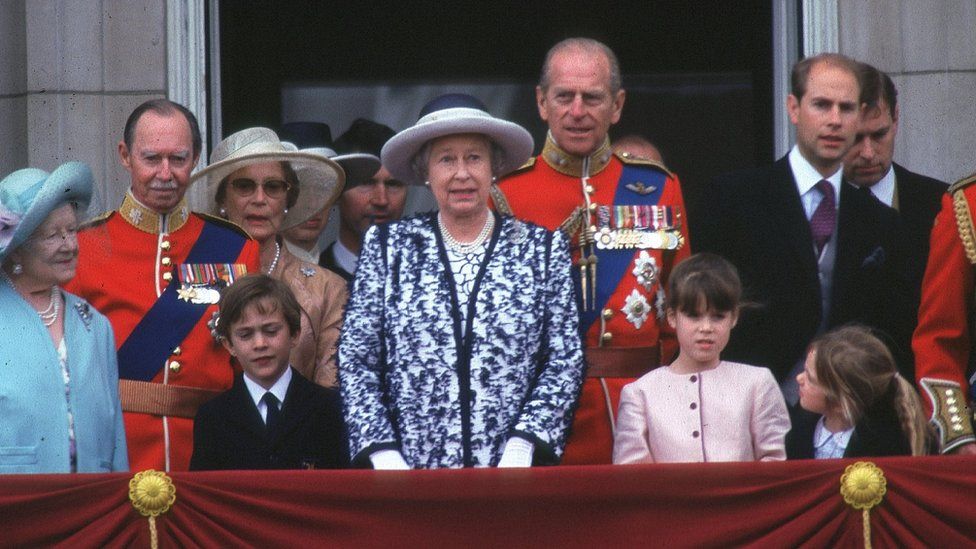
“He believes he has a creative mission,” wrote an early biographer, “to present the monarchy as a dynamic, involved and responsive institution that will address itself to some of the problems of contemporary British society.”
He was young and very good looking; he smiled and joked and was at ease in front of the cameras. When he visited a boys’ club in London in the late 1950s, a photo shows him with a broad smile on his face, looking crisp in a double-breasted pinstripe suit, his hair slicked back with brilliantine, surrounded by the upturned faces of boys and their mothers all shoving and trying to get close to him. There is more than a whiff of Beatlemania to the moment.
In his study on the first floor of Buckingham Palace, overlooking the gardens and Green Park, surrounded by thousands of books, with a model of his first command HMS Magpie to one side, he would research and write and type out his speeches. (In 1986 he would buy, always the moderniser, what he called a “splendid gadget” that he called “a miniature word processor”.) He gave between 60 and 80 speeches every year, decade after decade, on topics that reflected his vast range of interests.
Out of the speeches comes a picture of the man. For someone who sat through so much of it, he was clearly impatient with ceremony. “A lot of time and energy,” he told students and staff at the Chesterfield College of Technology, “has been spent on arranging for you to listen to me to take a long time to declare open a building which everyone knows is open already.”
Reflecting his dizzying range of interests, there was sometimes a touch of the gentleman-farmer to his thoughts – well-organised arguments that don’t really go anywhere, a lot of anecdotal evidence (“it seems to me…”) garnered from his extensive travels.
Despite modernising instincts, he was a conservative, somewhat suspicious of the machinations of the big city. He spoke of “urban dwellers” and of the “average citizen” dumping rubbish from their car. He preferred practical solutions to highfalutin theory – “The enterprise is doomed,” he told the Commonwealth Conference on Industrial Relations, “if it is allowed to enter the rarefied atmosphere of theory.”
He was an environmentalist before anyone really knew what that was. He warned of the “greedy and senseless exploitation of nature.” And in 1982 he brought up a topic that now grips us, but back then was almost never spoken of, “a hotly-debated issue directly attributable to the development of industry… the build-up of carbon dioxide in the atmosphere,” which he referred to as the “greenhouse effect”.
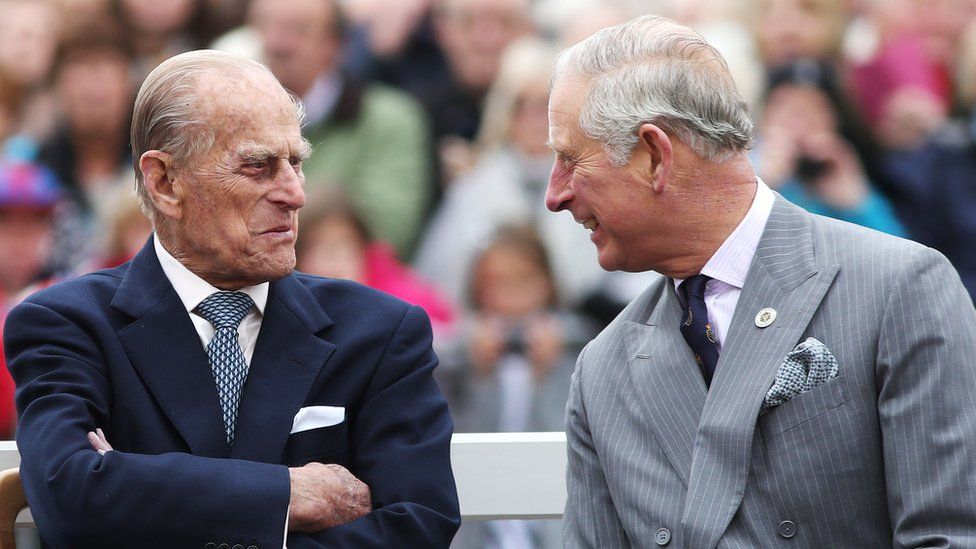
And he constantly did himself down, shrugging as to why anyone should want to hear him speak: “I have very little experience of self-government,” he told one audience, “I am one of the most governed people you could meet….” His example of irrational behaviour? – “making and listening to speeches on important occasions”. Or speaking before the Brussels Expo in 1958 – “I feel I can claim to be an expert at going round exhibitions.” He knew most speeches were a dull formality that had to be got through – and he was happy to let his audience have a laugh at his expense.
It is another contradiction in a life of them; that someone who cared so much about how we live our lives, about how to pursue a good and moral life, about how government and society might try to channel our instincts, should end up being popularly portrayed as a saloon-bar bore, his retirement from public life in 2017 accompanied by lists of his “gaffes”, off-colour comments and salty jokes.
That he could be rude, startlingly so at times, there is no doubt. Part of it was impatience, that dynamo whirring away, the desire to get things done double-quick. Part of it may have been deafness, inherited from his almost wholly deaf mother. But part of it was just plain bad manners, a disregard for what others felt and a thoughtlessness that came from position and temperament.
There was for a long time a fair amount of barking and shouting at those who failed to please him, and not a lot of thanking those that did.
Looking back down the decades, two great contrasts stand out. The first, that between a life led in the public eye, and a really quite private man. The boy shuttling between guardians and schools and countries quickly learnt to seal off his private side from public view. Inside the Palace it became his world view. Most of his biographers’ personal queries were met with a shrug, as if to say “I don’t know why you are bothering”. He once said of his son Charles: “He is a romantic, I am a pragmatist. And because I don’t see things as a romantic would, I’m [perceived as] unfeeling.” There can be little doubt that he was stung by the accusation. But his inner thoughts were not for public consumption.
And the second great, related, contrast is that between the near unceasing whirl of his public life, and a degree of solitude in his private. Of course there was family, though all his sisters pre-deceased him. But few, if any, great friendships are recorded, a corollary of his private nature and the pattern of his many decades. “Life,” wrote one biographer, “hasn’t enabled him to build up friendships. He is going round the world at such a lick.” And royalty is its own curious cage, repelling outsiders. “What the royal family offers you is friendliness,” said the late James Callaghan, prime minister in the 1970s, “not friendship.”

Prince Philip (10 June 1921 – April 2021)
Major General Charles Stickland of the Royal Marines, of which for 64 years Philip was Captain General, tells of when the duke flew into an exercise in Norway. He was supposed to say a quick hello to the enlisted men and then have lunch with the commanding officer. Instead he “asked two of the corporals to spoon food into his mess tin, sat on a Bergan [rucksack], told stories and chatted away with my troops when he was supposed to be having a posh lunch and then got back on the helicopter, having inspired a group of young men as to why it was great to be a Royal Marine”.
It was vintage Philip; no ceremony, hierarchy pushed to one side, the big group over the more intimate gathering.
Because of his desire for privacy, because of his position, and because nearly all who knew him best have gone, our understanding of him will always be incomplete. But that’s also because of what kind of person he was, because of the contradictions and contrasts that emerged over the decades. “A mercurial man like His Royal Highness,” said the artist and architect Sir Hugh Casson, “needs a loose fit portrait.”
He was asked once what his life had been about (the sort of question that normally received an incredulous snort). Had it been about supporting the Queen? “Absolutely, absolutely,” he replied. He didn’t see himself as a leader, though lead he could. And his own achievements he consistently played down. Accepting the Freedom of the City of London in 1948, he spoke for himself and for what he called other “followers”, with trademark modesty. “Our only distinction,” he said, “was that we did what we were told to do, to the very best of our ability, and kept on doing it.”






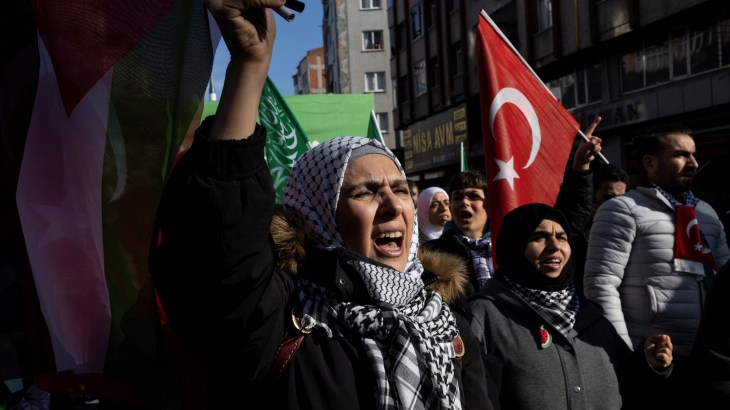
Dozens of Palestinians killed in overnight Israeli strikes in central and south Gaza as Red Sea tensions rise.
Here’s how things stand on Monday, January 15, 2024:
Latest updates and human impact
- Israeli attacks continue unabated overnight killing and wounding dozens of civilians in central and southern Gaza. At least 22 people were killed and a large number injured as a result of Israeli forces targeting al-Thalatheni Street in the central Gaza Strip.
- Yemen’s Houthi rebels fired an antiship cruise missile toward an American destroyer in the Red Sea, which was shot down by a US fighter jet, announced US Central Command (CENTCOM) on X.
- This was the first US-acknowledged Houthi attack since the US strikes on Yemen on Friday.
- Hamas released a 37-second video showing three Israeli captives held in Gaza on Sunday, saying they would reveal the fate of the captives on Monday and urging the Israeli government to stop the offensive.
- The Israeli military says it has shifted to a new phase of the war focused on the southern end of Gaza, where almost 2 million internally displaced Palestinians are running out of safe spaces to shelter.
- The Gaza Ministry of Health has said almost 24,000 people have been killed in the Israeli offensive. More than 60,000 people have been wounded in 100 days of war.
Diplomacy
- Israeli Prime Minister Benjamin Netanyahu said on Sunday that his country will pursue its war against Hamas until victory and will not be stopped by anyone, including the International Court of Justice (ICJ).
- The White House said on Sunday that “it’s the right time” for Israel to scale back its military offensive in the Gaza Strip.
- Egypt’s State Information Service (SIS) said in a statement on Sunday that one of the biggest obstacles to the timely delivery of sufficient aid to Gaza was Israeli inspection of the aid. The statement came after Israel blamed Cairo for the delay in aid delivery to Gaza during its defence at the ICJ.
- US Secretary of State Antony Blinken posted on X on Monday, calling for the release of the remaining captives held in Gaza on the 100th day since they were taken by Hamas. He did not mention the Palestinian casualties.
- Australia’s Foreign Minister Penny Wong, who described herself as a “friend of Israel” to the press, will travel to Jordan, Israel, the occupied Palestinian Territories and the United Arab Emirates this week, her office said on Monday.
West Bank raids and violence
- Israeli forces arrested 25 students staging a sit-in in protest against high tuition fees at An-Najah University in Nablus. Al Jazeera’s Hamdah Salhut reported that the protesting students received a text message from Israeli forces telling them to “surrender now”.
- Israeli forces have reportedly raided the family home of Nael al-Barghouti, the longest-serving Palestinian prisoner, in the village of Kobar, in Ramallah, in the occupied West Bank.
- The Israeli army said on Friday that it killed three Palestinian men who infiltrated a West Bank settlement and fired upon soldiers.
- The Israeli military killed two Palestinians after accusing them of ramming their car through a checkpoint near Hebron.
- Local sources reported that Israeli forces bulldozed two Palestinian-owned houses during a Sunday midnight raid in the city of Qalqilya, Palestinian news agency Wafa reported.
- Armed Israeli settlers broke into the village of Burin, south of Nablus, and attacked Palestinian residents’ houses and properties after midnight on Sunday, Wafa reported.
- “Violent raids and arrests have become part of the fabric of daily life in the occupied West Bank,” Al Jazeera’s Mohammed Jamjoom, reporting from Ramallah in the occupied West Bank, said. At least 347 Palestinians have been killed and thousands have been arrested since October 7.

Flames and smoke billow during Israeli attacks against Gaza on October 9, 2023
Human Rights Watch terms Israeli Defence Minister Yoav Gallant’s call for a ‘complete siege’ on Gaza a ‘war crime’.
The Hamas movement has threatened to kill an Israeli hostage every time Israel bombs a Palestinian home without warning as Israel mobilised some 300,000 reservists and imposed a total blockade of the Gaza Strip, denying the enclave’s millions of residents access to food, water and fuel.
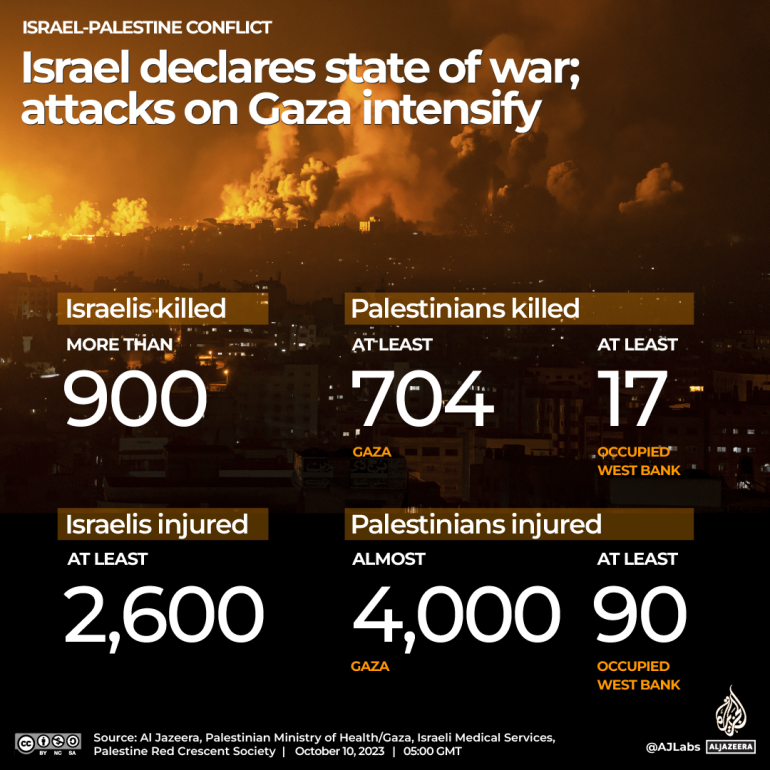
The warning from Hamas came on Monday as the death toll from the armed group’s surprise weekend attack climbed to 900 in Israel and revenge attacks by Israeli forces on the besieged Gaza Strip killed more than 700 people and left some 3,700 others wounded.
Residential apartment blocks, hospitals, schools and a mosque have been among the sites attacked by Israeli fighter jets, artillery and drones, according to media reports and witnesses.
Hamas spokesperson Abu Ubaida issued the threat to kill Israelis from the dozens held captive by the armed group. He said an Israeli hostage would be killed for every Israeli bombing of a civilian house without warning.
Israeli Foreign Minister Eli Cohen said more than 100 people were taken captive by Hamas during the deadly cross-border incursion over the weekend.
As Israeli forces conducted intense retaliatory attacks on Gaza on Monday, Israel’s Defence Minister Yoav Gallant drew international condemnation by announcing a total blockade of the densely populated and besieged enclave, which is home to 2.3 million people.
Gallant said Israel would impose a “complete siege” on Gaza. “No electricity, no food, no water, no gas – it’s all closed.”
United Nations Secretary-General Antonio Guterres said he was “deeply distressed” by the siege announcement and warned that Gaza’s already dire humanitarian situation will now “only deteriorate exponentially”.
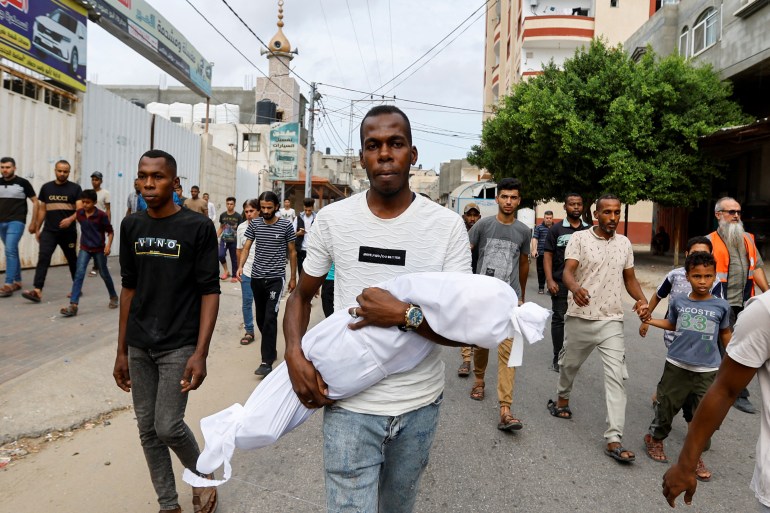
Guterres also said some 137,000 people were taking shelter with the UN Relief and Works Agency for Palestinian Refugees (UNRWA) at schools across Gaza.
UNRWA said on Tuesday that almost 190,000 people have been displaced in Gaza amid the Israeli attacks and the figure is expected to grow further as the violence intensifies.
Nearly half a million people have also not received food rations this week in Gaza as UN food distribution centres have been forced to remain closed amid the Israeli onslaught, UNRWA said.
Human Rights Watch said Israel’s total blockade on the necessities of life for everyday people in Gaza was a war crime.
“Defense Minister Gallant’s statements are abhorrent,” Omar Shakir, Israel and Palestine director at Human Rights Watch, said in a statement.
“Depriving the population in an occupied territory of food and electricity is collective punishment, which is a war crime, as is using starvation as a weapon of war. The International Criminal Court should take note of this call to commit a war crime,” he said.
Abhorrent. This is a call to commit a war crime by @yoavgallant. The @IntlCrimCourt should take note.
Quote by @OmarSShakir ⤵️ https://t.co/kKVo6YtpI1 pic.twitter.com/neHQMwnXVn
— Human Rights Watch (@hrw) October 9, 2023
Shakir also condemned the threat by Hamas to kill hostages, warning that such action was also a war crime.
“All hostages should be safely released to their families,” he said.
Grotesque. These threatened acts would amount to flagrant war crimes by Hamas’ armed wing. The @IntlCrimCourt will be watching.
Quote from @OmarSShakir ⤵️ https://t.co/FuNtvHe0YG pic.twitter.com/6cnHODLWyZ
— Human Rights Watch (@hrw) October 9, 2023
On the diplomatic front, Egyptian President Abdel Fattah el-Sisi and his Turkish counterpart Recep Tayyip Erdogan called on Hamas and Israel to immediately end violence and protect civilians, the Egyptian presidency said.
Erdogan urged Israel against “indiscriminately” attacking civilians and delivered measured criticism of Hamas, urging both sides to respect the “ethics” of war.
The United Kingdom, French, German, Italian and US governments issued a joint statement on Monday recognising the “legitimate aspirations” of the Palestinian people and supporting equal measures of justice and freedom for Israelis and Palestinians alike.
But the prospect that fighting could spread also alarmed the region and the world.
Lebanese armed group Hezbollah fired rockets into northern Israel in response to at least three of its members being killed in Israeli shelling of Lebanon.
Israel said one of its deputy commanders was also killed in an earlier cross-border raid from Lebanon.

US President Joe Biden holds a bilateral meeting with Israeli Prime Minister Benjamin Netanyahu on the sidelines of the 78th United Nations General Assembly in New York City, the US, September 20, 2023
Social media users, including journalists and observers, are calling out what they call a ‘double standard’.
After Saturday’s surprise attack by the Palestinian group Hamas on Israel, Ukrainian President Volodymyr Zelenskyy took to the social media platform X to offer “condolences go out to everyone who lost relatives or close ones in the terrorist attack”.
He also stated, “Israel’s right to self-defence is unquestionable.”
Many world leaders, including US President Joe Biden and UK Prime Minister Rishi Sunak, shared similar sentiments.
The world is seeing appalling images.
Thousands of rockets raining down on Israeli cities. Hamas terrorists killing not only Israeli soldiers, but civilians on the streets and in their homes.
It’s unconscionable. Israel has a right to defend itself – full stop.
— President Biden (@POTUS) October 7, 2023
European Commission President Ursula von der Leyen stated, “Israel has the right to defend itself – today and in the days to come. The European Union stands with Israel.”
Accusations of Western ‘double standards’
Some social media users have criticised these statements, saying they highlight a double standard.
The world is seeing appalling images.
Thousands of rockets raining down on Israeli cities. Hamas terrorists killing not only Israeli soldiers, but civilians on the streets and in their homes.
It’s unconscionable. Israel has a right to defend itself – full stop.
— President Biden (@POTUS) October 7, 2023
Ukraine’s right to defend itself is praised by most international leaders while Russia’s invasion is condemned, but commentators said the same cannot be said about Israel’s occupation of the West Bank and Gaza.
Aaron Bastani, a leftist British journalist, said on X that there’s a “clear double standard in endorsing terrorism against civilian targets in Ukraine … and condemning it by Palestinians”.
Many users said Western diplomats and media support the Ukrainians who defend their land, but label the Palestinians fighting against Israel as “terrorists”.
https://twitter.com/KhaledBeydoun/status/1710787817415082349?ref_src=twsrc%5Etfw%7Ctwcamp%5Etweetembed%7Ctwterm%5E1710787817415082349%7Ctwgr%5E6acf829869e993177f32aa38aa48c02f38cb7f61%7Ctwcon%5Es1_&ref_url=https%3A%2F%2Fwww.aljazeera.com%2Fnews%2F2023%2F10%2F9%2Fwestern-leaders-accused-of-hypocrisy-over-response-to-palestine-ukraine
An illustration of a woman’s face, in which one eye is closed beside a Palestinian flag, and one eye open beside a Ukrainian flag, has been regularly shared as a symbol of the West’s alleged double standards in how the two conflicts are viewed.
https://twitter.com/OnlinePalEng/status/1710994682883273172?ref_src=twsrc%5Etfw%7Ctwcamp%5Etweetembed%7Ctwterm%5E1710994682883273172%7Ctwgr%5E6acf829869e993177f32aa38aa48c02f38cb7f61%7Ctwcon%5Es1_&ref_url=https%3A%2F%2Fwww.aljazeera.com%2Fnews%2F2023%2F10%2F9%2Fwestern-leaders-accused-of-hypocrisy-over-response-to-palestine-ukraine
Clips also emerged on social media from a CNN interview with Mustafa Barghouti, the general secretary of the Palestinian National Initiative, in which he posed the rhetorical question, “Why does the United States support Ukraine in fighting occupation – while here they support the occupier, who continues to occupy us?”
The hypocrisy and double standards of western governments and media platforms dealing with situations in Ukraine-Russia and Palestine-Israel blow the mind. Absolute disgrace.
— Said Yacoubi (@AlyacoubiSaid) October 8, 2023
It is not the first time Western nations have been accused of double standards in their stance on the Ukraine war.
Earlier in the year, Amnesty International published a report highlighting the West’s “double standards” on global human rights.
Agnes Callamard, Amnesty’s secretary-general, told Al Jazeera at the time that the occupation of Palestinian territory was a “particularly important one”.
“Without making any comparison between Russia’s aggression and Israel … it is clear the Palestinian people are under a regime of oppression – a regime of occupation and a regime of apartheid,” Callamard told Al Jazeera.
Over the last three days, X users recirculated earlier statements calling out what they called Western hypocrisy, sharing video by the Irish lawmaker Richard Boyd Barrett from March 2022 in which he berated the Irish government’s double standards regarding Ukraine and Palestine:
“You’re happy to use the most strong and robust language to describe the crimes against humanity of [Russian President] Vladimir Putin, but you will not use the same strength of language when it comes to describing Israel’s treatment of the Palestinians.”
Barrett on Sunday again called out what he described as “shocking double standards of Western leaders supporting Ukraine resistance but condemning Palestinian[s].”
Meanwhile, others warned against comparing conflicts.
https://twitter.com/denfordauthor/status/1710993737738768607?ref_src=twsrc%5Etfw%7Ctwcamp%5Etweetembed%7Ctwterm%5E1710993737738768607%7Ctwgr%5E6acf829869e993177f32aa38aa48c02f38cb7f61%7Ctwcon%5Es1_&ref_url=https%3A%2F%2Fwww.aljazeera.com%2Fnews%2F2023%2F10%2F9%2Fwestern-leaders-accused-of-hypocrisy-over-response-to-palestine-ukraine
And some cautioned that Hamas and the Palestinians should not be seen as one and the same.
Just to clarify:
Palestine did not mount an attack on Israel. An Iranian proxy militia did. Palestinians are by and large huddled in their homes praying that an Israeli airstrike won't kill them or theirs. Hamas is the culprit here. This isn't a decentralized grassroots thing.
— Romeo Kokriatski (@VagrantJourno) October 9, 2023
Ukrainian footballer Oleksandr Zinchenko, who plays for Arsenal, posted on Instagram, stating he “stands with Israel”.
Zinchenko has been a vocal supporter of his home country in its ongoing defence against Russia, and he participated in a Game4Ukraine charity match in London earlier this year to raise money for Ukraine.
After online backlash, with some questioning an alleged double standard in his support of Israel, the footballer removed the post and switched his social media account to private.
Several people claimed that Zinchenko’s football club, in not responding to his comments, was guilty of hypocrisy after they had distanced themselves from former player Mesut Ozil’s comments in 2019 over alleged human rights abuses against Uighur Muslims in China.
-
 Audio10 years ago
Page – Day Break Everywhere Burst
-
 Audio5 years ago
Shadykarz – Forever
-
 Audio10 years ago
Juniorboy ft. 9ice – IRAPADA
-
 Entertainment Gists6 years ago
Ex-Beauty Queen, Sandra Benede Shares Sexy Photo
-
 Audio5 years ago
Simi – Happy Birthday ft. Adekunle Gold, DeJa
-
 Audio5 years ago
Ruger – Bounce
-
 Mixtapes4 years ago
Mixtape: DJ DimpleNipple – The Best Of Amapiano Thrills
-
 Editorials3 years ago
Sa’eedah Imam On Creating Her Imprint In The Nigerian Music Industry As An Emerging Creative Writer