
News
Charismatic Leader is Gone But Wagner Will Survive in Africa, Analysts Say


Yevgeny Prigozhin was the face of the group’s military operations as he crisscrossed between Ukraine and Africa, but his death will slow the Wagner machine in Africa.
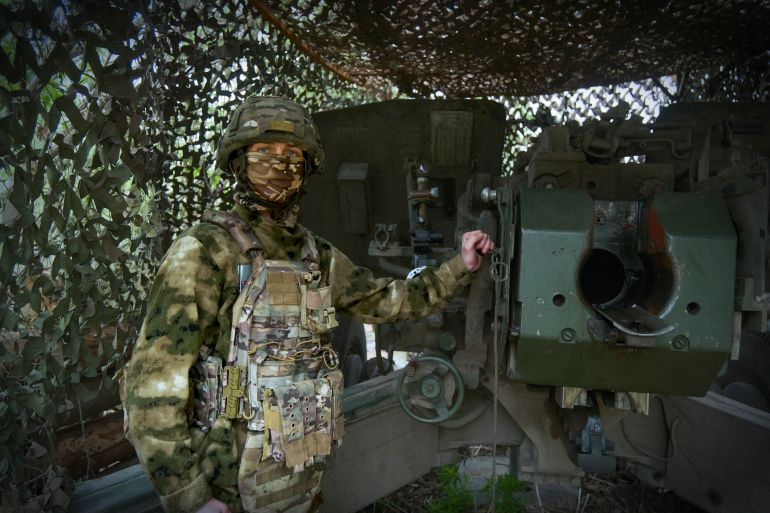
Yevgeny Prigozhin, head of Russia’s Wagner mercenary group, just left Mali where he filmed a video pledging to make “Africa even more free” before he presumably perished in a plane crash in his home country.
His apparent death – it has yet to be officially confirmed – has sparked concerns for some client governments in Africa who rely on his unique services.
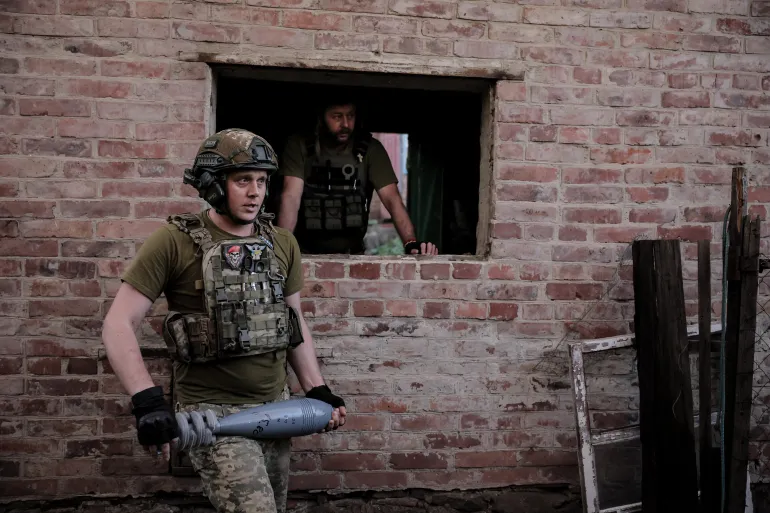
Patronage of Prigozhin’s private military force has been on the rise in recent years since some African governments started turning towards Russia as an alternative international partner in their fight against rising insecurity from various armed groups.
President Faustin-Archange Touadéra of the Central Africa Republic (CAR) was the first to turn to the feared militia in 2018, but the shifting sands of democratic governments that have seen a rise in military takeovers in the Sahel region opened the door widely for Wagner.
Across the Sahel and central Africa, armed groups have continued to expand rapidly, their rise coinciding with protests against former colonial power France, which still wields enormous influence across the region.
Prigozhin was the face of the group’s operations as he crisscrossed between Ukraine and Africa, pushing his stock-in-trade. His death, analysts say, will put a clog in the Wagner machine in Africa.
“Progozhin himself was this incredibly charismatic, larger-than-life figure who had the managerial and business abilities to somehow bring all of these disparate entities and people together,” said John Lechner, a security analyst and author of a forthcoming book on the Wagner Group.

Will expansion continue?
When Prigozhin staged an aborted mutiny in Russia in June, exactly two months before his death, clouds began to hover over the military-business empire Prigozhin built on the continent.
Sergey Lavrov, Russia’s foreign minister, at the time said the group’s operations would continue. But the fatal crash that claimed his life and his trusted lieutenant Dmitry Utkins has raised questions about what happens next.
“It does not very much change in places like Mali and CAR because there were already relationships and contracts. And the Russians said they would honour those contracts. The real question is what happens in the countries Wagner was trying to expand its presence, places like Burkina Faso and Niger. Will that expansion continue under the Russian government?” Cameron Hudson, a senior associate in the Centre for Strategic and International Studies’s Africa programme, said.
The brief mutiny in Russia back in June was the climax of a growing schism between Prigozhin and the Ministry of Defence over the handling of the war in Ukraine. But African governments had also been caught in a delicate balancing act between the shadowy mercenary group and the Russian government.
The Malian coup-makers continue to refer to the armed group as “Russian instructors”, though CAR authorities are more forthcoming.
“CAR authorities have always been uncomfortable,” Charles Bouessel, senior analyst on CAR for International Crisis Group, told Al Jazeera.
“They did not know who to praise for Wagner’s assistance. Sometimes, they are thanking the Russian authorities and sometimes, they are thanking Prigozhin. But what they want is that the Russian assistance continues, and they would be cautious in expressing their opinion [on Prigozhin’s death] intimately.”
‘Degree of deniability’
Officials have expressed that their commitment was to Russia and not to the mercenary group itself. Fidele Gouandjika, an adviser to CAR’s president, told the media that Prigozhin’s death would not change the relationship with Moscow.
Experts have said even though Prigozhin’s charm offensive will be notably absent, the Kremlin will ensure to maintain its influence on the continent.
“There are a lot of Russian institutions benefitting from Russia’s presence in Africa and they will want to see those relationships continue,” Lechner said.
However, the tussle between Wagner and the GRU, Russia’s military intelligence agency, might recalibrate the diplomatic relationship between African governments and Russia.
“I think they are going to have a rethink of their approach … Countries that were considering a relationship with Wagner are all going to think if they want the same kind of relationship with Moscow. Because with the Wagner Group, there was some degree of deniability,” said Hudson.
‘Claustrophobic environment’
Niger is the latest country to eye Wagner. Since the presidential guard seized power, it has publicly fallen out with the West. The regional bloc ECOWAS has threatened to invade the country in order to restore President Mohamed Bazoum, who was removed in a coup on July 26.
With Prigozhin’s death, Wagner’s appeal to new countries seeking Wagner’s military assistance might dwindle, but analysts have said the militia can still make inroads into new territories.
“I think we should not be surprised if Wagner still shows up in Niger, even after Prigozhin’s death,” Lechner told Al Jazeera. “We are still in a claustrophobic environment where African governments looking to partner with outside countries on security have relatively few choices.”
Since 2020, there have been nine coups in Africa, according to a count by SBM, a geopolitical advisory firm in Nigeria. In this period, five of the 15 ECOWAS member nations are now under military rule.
This spate of coups, experts said, is a recipe for mercenary groups as military governments are pushing to consolidate their grip on power amid pressure from the West, and the decline of democratic governments will continue to invite such private military interventions.
“Illegitimate governments in Africa need security assistance for their hold on power and regime. That is the point of all of these: it is not the supply of armed mercenaries, it is the demand of armed mercenaries,” Hudson said.





Building Opportunities. Inspiring Impact. Creating a Legacy.
Introduction
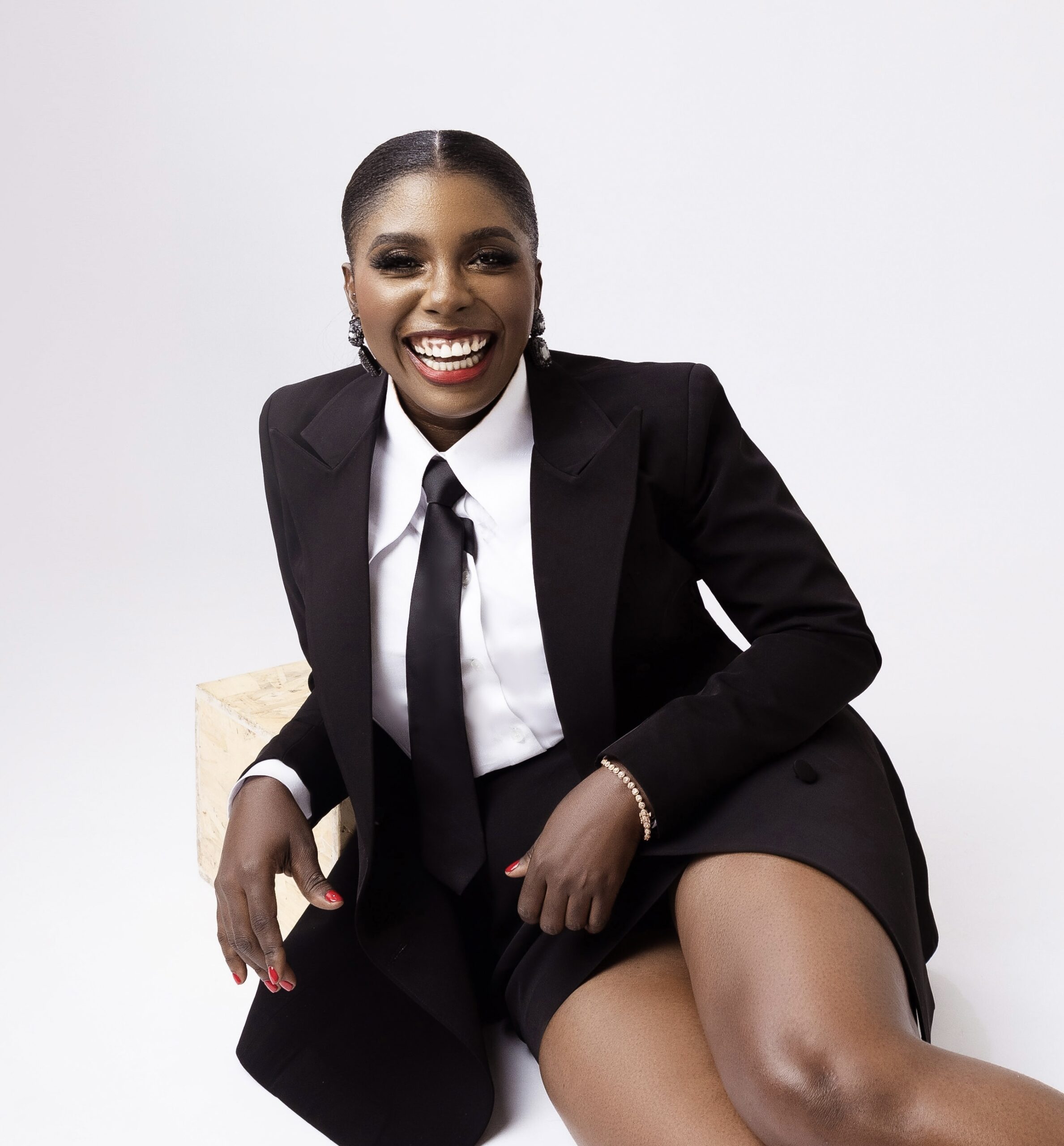
Jane Michael Ekanem is known for her work in fashion, styling, and creative direction. But beyond the creative industry, there is another part of her story: a growing commitment to girls’ education.
In 2016, Jane supported a student’s education at her alma mater. What began as an individual act of support became the starting point of a larger vision, one that would eventually take shape as the JaneMichael Ekanem Foundation.
In this conversation, we explore the woman behind that decision, the importance of girls’ education, and what it means to turn a personal conviction into work that can make a lasting difference.
Jane, thank you for sharing the story and vision behind the JaneMichael Foundation.
The work ahead is about turning a belief in girls’ education into meaningful, sustained opportunities. And as this conversation reminds us, making a difference doesn’t always begin with something grand. Sometimes, it begins with the decision to show up.
To learn more about the Foundation, visit thejanemichael.com/foundation.
1. You’ve built a career in an industry that demands creativity, resilience, and constant reinvention. As you look back at your journey so far, what experiences have shaped the person you are today, beyond your professional achievements?
My journey has taught me that success is not just about what you build; it is also about who you become in the process. I have experienced seasons that required resilience, self-reflection, and the courage to begin again.
Growing up, I also understood how financial circumstances could affect access to opportunities. That experience has stayed with me.
Today, I think beyond personal achievement. I ask myself what I can do with what I have learned and how my experiences can become useful to someone else. For me, that is an important part of growth.
2. People often see the finished work — the brand, the projects, the public moments. What is something about your personal journey that you think people might not immediately understand, but that has influenced the way you see responsibility and giving back?
People do not always see the circumstances behind a person’s journey. I understand that having potential does not always mean having the resources or support to fulfil it.
That understanding has influenced how I see giving back. I do not believe support should make anyone feel inferior or indebted. It should help people move forward with their dignity intact.
Sometimes, what someone needs is not for another person to solve every problem, but for someone to help remove a barrier standing between them and an opportunity.
I am also a firm believer of winning as a community irrespective of the tribe, race or religion.
3. In 2016, you made the decision to support a student’s education at your alma mater. What did that support actually make possible, beyond the immediate financial help? And what did the experience teach you about the difference one opportunity can make?
In 2016, I returned to Girls Senior Academy, my alma mater, to support one deserving student. The initiative was guided by good character, academic commitment, and financial need.
Years later, the beneficiary went on to purchase JAMB forms for other students. That stayed with me because it showed how an opportunity can travel beyond the person who first receives it.
The church helped me, then I helped one student, and then she went on to help others. It reminded me that we may never fully know the impact of our actions. Sometimes, the most meaningful part of giving is what happens long after we have moved on.
4. Was there a particular moment when you realised that this was something you wanted to pursue beyond that first act of support? Or did the idea of building something larger develop gradually?
The vision developed gradually. In 2016, I was responding to an immediate need, without clarity on understanding how to establish a foundation.
But the experience stayed with me, particularly when I saw how the beneficiary extended the opportunity to others. I began thinking about what it would mean to make this kind of support more sustainable.
Life brought its own challenges, and I could not continue the initiative as consistently as I wanted. Eventually, I realised that if the vision was going to endure, it needed more than good intentions. It needed structure. That understanding helped lead to the establishment of the JaneMichael Ekanem Foundation.
5. Looking back at the woman you were when you made that first decision, if you could design an outfit for her today, what would she be wearing — and what would you want that version of yourself to know?
I would give her something beautifully tailored, timeless, and quietly confident, a little more modest and audacious with one unexpected detail. Something that says you can be intentional without having everything figured out.
I would tell her not to underestimate a small beginning simply because she cannot yet see where it will lead.
I would also remind her that building something meaningful takes time. The vision may come first, but the capacity to sustain it must be developed along the way.
Most importantly, I would tell her to keep going, keep learning, and trust that not every meaningful beginning will reveal its full purpose immediately.
6. Why is girls’ education a cause you have chosen to stand behind? What do you believe becomes possible when a girl has the opportunity to learn, develop her abilities, and make choices about her future?
Education expands choices. It gives a girl the opportunity to develop her abilities, discover her potential, and make informed decisions about her future.
My interest is also personal. I understand how financial circumstances can interfere with a young person’s education, regardless of their ability or determination.
Through the Foundation, our current focus is supporting deserving girls as they transition from secondary school into higher education. Our broader mission includes young girls and boys from financially challenged backgrounds.
I believe every young person deserves the opportunity to pursue their potential, and financial difficulty should not automatically determine how far that person can go.
7. Education is often discussed in terms of school fees and access to classrooms. Beyond getting a girl into school, what do you think she needs to have a genuine chance to learn, grow, and continue her education?
Every girl needs support that considers the realities of her educational journey. Beyond school fees, there may be examination expenses, registration fees, admission costs, learning materials, and other requirements that can become barriers. But most importantly, every girl and boy needs exposure and solid foundation in education is a drive way to that path.
The transition from secondary school to higher education is particularly important. A student may complete one stage successfully but struggle to move forward because of the cost of taking the next step.
She also deserves dignity, encouragement, and access to useful guidance. At the Foundation, we consider good character, academic commitment, and genuine financial need. As we grow, I want us to keep asking not only how we can help a student gain access, but how we can help create opportunities for her to continue.
8. Your late father used to say, “A good name is better than silver or gold.” Now that you’re building something intended to serve others, do you find yourself understanding those words differently? What does living up to them look like for you today?
There is a part of my story where I completely lost it all… the fame, the money, my house and business but what journeyed me back to building again were the good relationships I had built while climbing at the time. So yes, I understand those words differently now because I now see a good name as something that must also be demonstrated through action.
Building the Foundation means taking responsibility for more than my personal intentions. It means being honest about what we can do, managing resources responsibly, and ensuring that our decisions remain connected to our purpose.
It also means respecting the dignity of the students we support. I do not want the Foundation’s name to represent generosity alone; I want it to represent integrity and trust.
For me, my father’s words are a reminder that legacy is not just about what you leave behind, but the values your work continues to demonstrate.
9. Turning a personal act of giving into a foundation comes with a different level of responsibility. What has that transition made you think about in terms of consistency, accountability, and the kind of impact you want the Foundation to have?
It has taught me that good intentions are only the beginning. If you want an initiative to continue, you need structure, consistency, and responsible management.
The Foundation must be clear about its priorities, the resources available, and what it can realistically deliver. I also believe growth should be measured by more than the number of students supported. We must consider the quality of the support and our ability to sustain it.
I want to build an organisation that can continue creating educational opportunities beyond individual acts of generosity. That requires patience, planning, and the willingness to learn as we grow.
10. In a highly visible industry like yours, people can sometimes question whether an act of giving is genuine or performative. Have you ever had to think about that perception, and how do you make sure the work speaks for itself?
I think the most important thing is to stay true to the reason you started. When you are in a visible industry, people will always have their interpretations, and I have come to understand that you cannot build your life around trying to manage everyone’s perception of you.
For me, giving back is personal. It comes from my own experiences and an understanding of what access to an opportunity can mean to someone. I don’t believe every act of kindness needs an audience to be meaningful.
With the Foundation, my focus is on building something that can stand on its own values: integrity, accountability, and a genuine commitment to education. I want the work to speak through the opportunities we create, the way we treat the people we serve, and our consistency over time.
Ultimately, I believe intention may start the work, but integrity and consistency are what give it credibility.
11. For people who want to support the Foundation, what should they understand about its focus and the kind of contribution that would be most meaningful? How can someone help without assuming that impact always has to be financial?
The Foundation supports young girls and boys from financially challenged backgrounds, with a current focus on helping deserving girls transition from secondary school into higher education.
Financial contributions can help us provide educational assistance, but support can also come through relevant expertise, educational resources, professional guidance, and partnerships with organisations that share our mission.
I believe meaningful collaboration begins with understanding the need and being clear about what each party can contribute. We are building the Foundation thoughtfully, with the intention of developing its capacity over time.
This also an open call to anyone who believes in educational opportunity to learn about our work and explore how they might contribute meaningfully.
12. When you imagine the Foundation several years from now, what would make you feel that it is doing meaningful work? What would you want to be able to point to beyond the existence of the organisation itself?
I would want to see a Foundation that has grown in its ability to support students consistently and responsibly.
Beyond the number of beneficiaries, I would look at whether we are helping students navigate important educational transitions, building trusted relationships with schools, managing resources responsibly, and developing the capacity to sustain our work.
I also want us to think beyond individual scholarships. How can educational support become more consistent? What initiatives could help students and their wider school communities over time?
For me, success is not simply establishing an organisation. It is building one that can remain faithful to its purpose and continue creating opportunities as it grows.
13. Sometimes, people wait until they have more money, more influence, or more time before they help someone else. What would you say to someone who has the ability to make a difference today but keeps waiting for the “perfect” time?
I would say, start with what you can responsibly do today.
We sometimes imagine that making a difference requires significant money or influence, but contribution can take many forms. It could be sharing knowledge, making an introduction, providing a resource, teaching a skill or helping someone access an opportunity.
Of course, we must be realistic about our own responsibilities. But we should not assume that meaningful action must wait until we have everything we want.
My own journey with the Foundation began with one student, long before it became an established organisation. The vision grew over time.
You do not need to see the entire journey before taking the first step. Sometimes, you discover what is possible by beginning.
14. Your work in fashion involves imagining what something could become before others can see it. Do you approach the Foundation in a similar way — by holding on to a vision of what is possible, even when the steps to get there are still taking shape?
Yes. In creative work, you learn to imagine what something could become before it exists. But you also learn that a vision requires planning, execution, and the capacity to bring it to life.
I approach the JME Foundation with that understanding. I believe in what it can become, but I also recognise that good intentions must be supported by structure, resources, and meaningful partnerships.
I want to build something that can grow without losing sight of why it exists. For me, the challenge is not simply to imagine a future for the Foundation, but to develop the capacity to make that future sustainable.
Vision gives you direction. The work is in building what is required to get there.
15. If someone encounters the JaneMichael Ekanem Foundation for the first time through this conversation, what is the one thing you hope they understand about why it exists — and what would you like them to do with that understanding?
I want people to understand that the Foundation began with one person’s educational need, but its vision extends beyond one student or one moment.
We exist to create educational opportunities for young people who need support, and to build an initiative that can continue doing so responsibly over time.
The experience that began in 2016 reminded me that opportunity can travel. We are a system that believes in the power of positive ripple effects. We also believe in the power of community. We have to come together and create a lasting solution.
For those who believe in this vision, I invite you to read about the Foundation and explore how you can support through relevant expertise, resources, or partnerships.
The vision started with one person, but I do not want the story to end with me.
The JaneMichael Ekanem Foundation is committed to creating educational opportunities, inspiring impact, and building a lasting legacy.
Because sometimes, one opportunity is where a much bigger story begins.
Visit thejanemichael.com/foundation to learn more.

For today’s students and Gen Zs, a smartphone is more than just a communication device—it’s a study partner, entertainment hub, camera and productivity tool. From attending virtual classes and researching assignments to creating content and staying connected with friends, students need a phone that can keep up with their fast-paced lifestyle.
The itel A300+ is designed to do exactly that. Combining a 2.01-inch Smart Secondary Screen, a 7000mAh Ultra-Large Battery, and IP65 dust and water resistance, it delivers practical features that make everyday student life easier.
Power through every lecture and moment
Whether you’re moving between lecture halls, spending hours in the library or commuting across town, battery life matters. The 7000mAh battery keeps you connected throughout the day!
Smart convenience at a glance
The itel A300+’s standout feature is its 2.01-inch Smart Secondary Screen. It lets you quickly view notifications, control your music, personalise watch faces and even preview selfies using the rear camera—all without constantly unlocking your phone.
It’s a smarter, faster way to stay connected while keeping distractions to a minimum.

Built for everyday Life
Life can be unpredictable. From rushing between classes to unexpected rain showers, students need a phone that can handle everyday challenges. With IP65 dust and water resistance, the itel A300+ is built to offer added confidence wherever the day takes you.
When it’s time to relax, the hole-punch display and dual speakers provide an immersive experience for streaming, gaming and enjoying your favourite content.
Get the itel A300+ Now
Whether you’re preparing for a new semester or simply looking for a smartphone that can keep up with your daily routine, the itel A300+ offers the right balance of innovation, performance and convenience.
Visit your nearest itel Home Store today, Click HERE or check out a retail store near you and experience the itel A300+. Plus, enjoy FREE 1GB on your MTN line and 50% bonus data on every recharge for the next six months when you purchase the device.



Fitness meets cultural expression as GOOD SWEAT prepares to bring its CULTURE RUN experience to Lagos on Saturday, October 31, 2026.
Designed around the connection between physical wellness and cultural identity, CULTURE RUN offers participants an opportunity to embrace an active lifestyle while celebrating the richness of African culture. The event brings together fitness enthusiasts, culture lovers, and individuals looking for a refreshing way to connect through movement and shared experiences.
The run is scheduled to begin at 4:30 PM, setting the stage for an evening that extends beyond fitness. At 6:00 PM, participants can look forward to the CULTURE PARTY, the event’s post-run celebration.
Adding to the experience is a distinctive dress code that encourages attendees to wear their regular running kits with a touch of cultural wear. This creative blend of athletic apparel and traditional-inspired fashion gives participants an opportunity to express their individuality while celebrating their cultural roots.
The event will take place at Bistrot Samantha’s, located at 7/12 Rumen’s Road, Ikoyi, Lagos.
With its combination of fitness, fashion, culture, and social interaction, CULTURE RUN aims to create an experience that extends beyond the running track, bringing people together through a shared appreciation for wellness and cultural expression.
As Lagos continues to embrace lifestyle experiences that combine fitness with social engagement, CULTURE RUN offers an opportunity for participants to stay active, celebrate their heritage, and connect with like-minded individuals in a vibrant setting.
EVENT DETAILS
Event: CULTURE RUN
Presented by: GOOD SWEAT
Date: Saturday, October 31, 2026
Run Time: 4:30 PM
Post-Run Party: 6:00 PM
Dress Code: Running kit with a touch of cultural wear
Venue: Bistrot Samantha’s
Address: 7/12 Rumen’s Road, Ikoyi, Lagos, Nigeria
-
 Audio10 years ago
Page – Day Break Everywhere Burst
-
 Audio5 years ago
Shadykarz – Forever
-
 Audio10 years ago
Juniorboy ft. 9ice – IRAPADA
-
 Entertainment Gists6 years ago
Ex-Beauty Queen, Sandra Benede Shares Sexy Photo
-
 Audio5 years ago
Simi – Happy Birthday ft. Adekunle Gold, DeJa
-
 Audio5 years ago
Ruger – Bounce
-
 Mixtapes4 years ago
Mixtape: DJ DimpleNipple – The Best Of Amapiano Thrills
-
 Editorials4 years ago
Sa’eedah Imam On Creating Her Imprint In The Nigerian Music Industry As An Emerging Creative Writer